Effective Ways to Manage Trauma 5 min read

Blog

Trauma is a pervasive issue affecting millions of people globally. It can stem from various experiences, such as accidents, natural disasters, abuse, or loss, leaving deep emotional scars. Understanding its effects and ways to manage trauma is crucial for fostering resilience and promoting mental health. In this article, we will explore the nature of trauma, its types, symptoms, and effective coping strategies. We aim to provide a professional yet friendly overview to help you navigate this complex topic.
What is Trauma?
Trauma is a psychological response to a distressing event or series of events that overwhelm an individual’s ability to cope. It can leave a lasting impact on a person’s mental, emotional, and physical well-being. Traumatic experiences can range from acute incidents, such as car accidents, to chronic situations, like ongoing abuse or neglect.
Types of Trauma
Trauma can be categorized into three main types: acute, chronic, and complex.
- Acute Trauma: This type results from a single distressing event, such as an accident, natural disaster, or sudden loss. Acute trauma can cause immediate and intense emotional reactions but might not have long-term effects if appropriately addressed.
- Chronic Trauma: Chronic trauma arises from prolonged exposure to distressing situations, such as domestic violence, childhood abuse, or living in a war zone. The ongoing nature of these experiences can lead to severe and long-lasting psychological effects.
- Complex Trauma: This type involves exposure to multiple traumatic events, often of an invasive and interpersonal nature. Complex trauma can deeply affect an individual’s sense of self, relationships, and overall functioning.
Symptoms of Trauma
Trauma can manifest in various ways, affecting a person’s emotions, thoughts, behaviors, and physical health. Common symptoms include:
- Emotional Symptoms: Anxiety, depression, mood swings, irritability, and feelings of guilt or shame.
- Cognitive Symptoms: Intrusive thoughts, flashbacks, memory problems, and difficulty concentrating.
- Behavioral Symptoms: Avoidance of triggers, changes in sleep patterns, substance abuse, and social withdrawal.
- Physical Symptoms: Headaches, fatigue, gastrointestinal issues, and a weakened immune system.
The Impact of Trauma
The effects of trauma can be profound and far-reaching, influencing various aspects of a person’s life. It can disrupt relationships, hinder academic or occupational performance, and lead to chronic health issues. Understanding these impacts is essential for providing appropriate support and intervention.
Emotional and Psychological Impact
Trauma can lead to severe emotional distress, including anxiety, depression, and post-traumatic stress disorder (PTSD). Individuals may struggle with feelings of fear, anger, or helplessness and may experience mood swings or emotional numbness.
Cognitive Impact
Cognitive functions can be impaired, resulting in memory, concentration, and decision-making difficulties. Intrusive thoughts and flashbacks are common, making it challenging for individuals to focus on daily tasks.
Behavioral Impact
Trauma can significantly alter behavior. Individuals may avoid situations or people that remind them of the traumatic event, leading to social isolation. Some may engage in risky behaviors, such as substance abuse, as a way to cope with their distress.
Physical Impact
The physical effects of trauma can include chronic pain, fatigue, and a range of somatic symptoms. The stress associated with trauma can weaken the immune system, making individuals more susceptible to illnesses.
Coping and How to Manage Trauma
Coping with trauma involves various strategies that can help individuals manage their symptoms and improve their overall well-being. Here are some effective approaches:
Seeking Professional Help
Therapy is one of the most effective ways to address trauma. Different therapeutic approaches can be beneficial:
- Cognitive Behavioral Therapy (CBT): CBT helps individuals identify and change negative thought patterns and behaviors associated with trauma.
- Eye Movement Desensitization and Reprocessing (EMDR): EMDR is a specialized therapy that helps individuals process and integrate traumatic memories.
- Trauma-Focused Therapy: This approach specifically addresses the impact of trauma and helps individuals develop coping skills.
Building a Support Network
Having a strong support network is crucial for recovery. Friends, family, and support groups can provide emotional support, understanding, and encouragement. Sharing experiences with others who have gone through similar situations can be particularly comforting.
Practicing Self-Care to Manage Trauma
Self-care is vital for managing the effects of trauma. This can include:
- Exercise: Regular physical activity can reduce stress and improve mood.
- Healthy Eating: A balanced diet supports overall health and well-being.
- Sleep: Prioritizing good sleep hygiene can help alleviate some of the physical and emotional symptoms of trauma.
- Mindfulness and Relaxation Techniques: Practices such as meditation, yoga, and deep breathing exercises can reduce stress and promote emotional regulation.
Journaling
Writing about traumatic experiences can be a therapeutic way to process emotions and thoughts. Journaling allows individuals to express themselves freely and gain insights into their feelings.
Establishing Routine
Creating a daily routine can provide a sense of stability and predictability, which can be comforting for those dealing with trauma. It helps structure the day and can include activities that promote well-being.
Long-Term Strategies for Healing
Healing from trauma is often a long-term process that requires ongoing effort and support. Here are some strategies for long-term healing:
Continued Therapy
Ongoing therapy can provide continuous support and guidance. It’s essential to work with a therapist who specializes in trauma and can adapt the treatment plan as needed.
Building Resilience
Resilience is the ability to adapt and recover from adversity. Building resilience involves developing coping skills, maintaining a positive outlook, and fostering strong relationships. Resilient individuals are better equipped to handle future challenges and stressors.
Engaging in Meaningful Activities
Participating in activities that bring joy and fulfillment can aid in the healing process. This might include hobbies, volunteer work, or pursuing new interests. Engaging in meaningful activities can provide a sense of purpose and enhance overall well-being.
Educating Yourself
Understanding trauma and its effects can empower individuals to take control of their healing journey. Reading books, attending workshops, and seeking out reputable online resources can provide valuable insights and strategies.
Setting Realistic Goals
Setting and achieving realistic goals can provide a sense of accomplishment and forward momentum. These goals can be related to personal growth, career, relationships, or health. It’s essential to celebrate progress, no matter how small.
Supporting Others to Manage Trauma
If you know someone who has experienced trauma, your support can make a significant difference in their healing process. Here are some ways to provide support:
Be Present and Listen
One of the most valuable things you can do is to be present and listen without judgment. Allow the person to share their feelings and experiences at their own pace.
Offer Practical Help
Offer practical assistance, such as helping with daily tasks or providing transportation to therapy appointments. Small acts of kindness can alleviate some of the stress associated with trauma.
Encourage Professional Help
Encourage the person to seek professional help if they haven’t already. Offer to help them find a therapist or accompany them to their first appointment if they’re comfortable with it.
Respect Their Boundaries
Respect the person’s boundaries and avoid pushing them to talk about their trauma if they’re not ready. Everyone heals at their own pace, and it’s essential to provide support without pressure.
Educate Yourself
Educating yourself about trauma can help you better understand what your loved one is going through. It also allows you to provide informed and empathetic support.
Conclusion
Trauma is a complex and deeply personal experience that can affect an individual’s life. Understanding its nature, recognizing the symptoms, and knowing how to cope are crucial steps to manage trauma and healing. Whether you’re dealing with trauma yourself or supporting someone who is, it’s important to approach the situation with empathy, patience, and a commitment to ongoing support and self-care.
Remember, healing from trauma is a journey, and there is no one-size-fits-all approach. By seeking professional help, building a support network, and practicing self-care, individuals can work towards recovery and reclaim their lives. With the right strategies and support, it is possible to overcome the impacts of trauma and lead a fulfilling, resilient life.
Using Psychedelics to Improve Health 5 min read
Blog
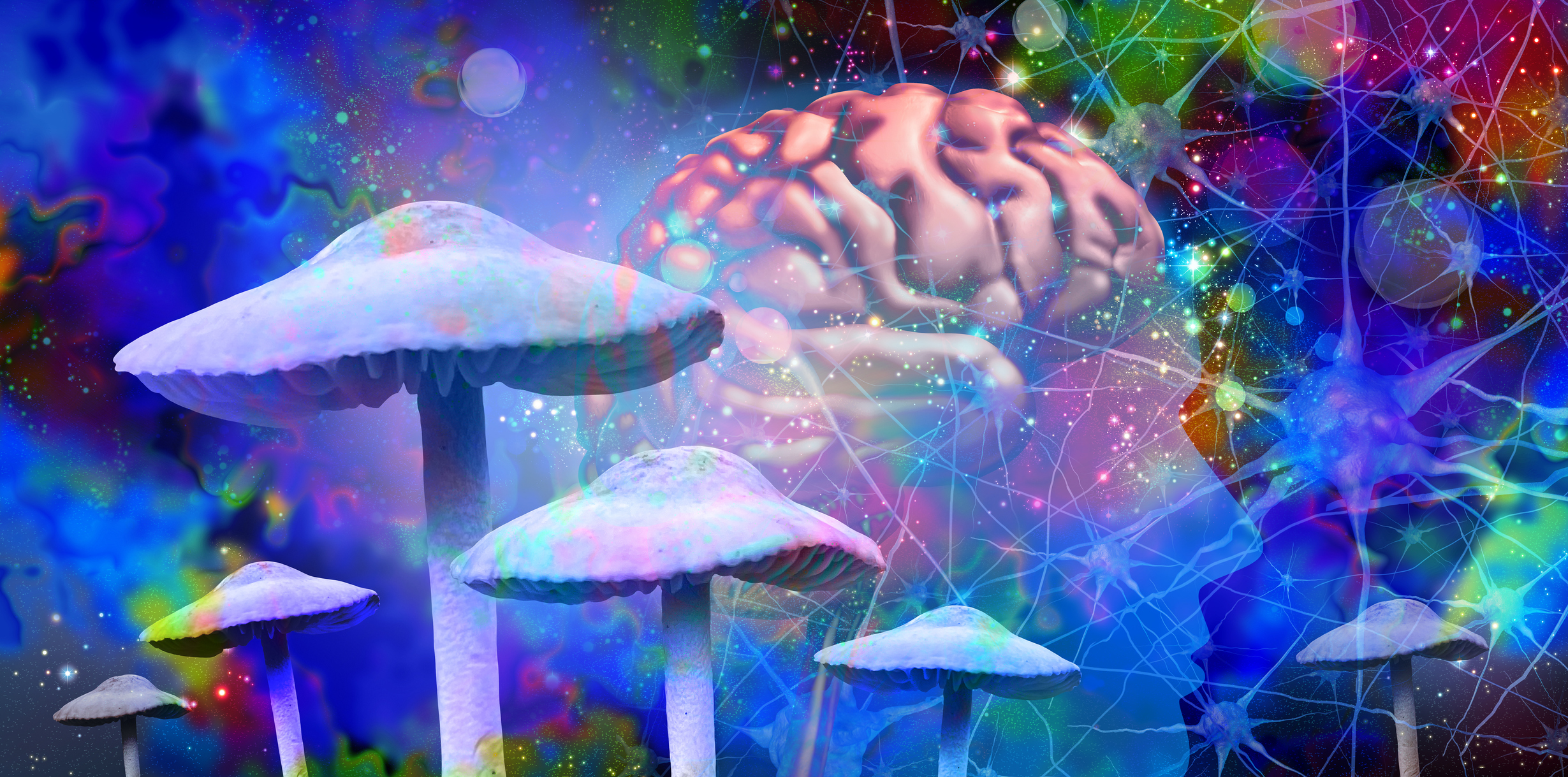
An In-Depth Exploration
In recent years, psychedelics have emerged from the shadows of cultural stigma and legal prohibition to become a significant focus of medical research and mental health treatment. Compelling evidence now suggests that psychedelics, when used responsibly and in controlled settings, can offer profound benefits for mental health and overall well-being. This blog post will delve into the history, science, and potential health benefits of psychedelics, providing a comprehensive understanding of their transformative potential.
A Brief History of Psychedelics
Psychedelics, also known as hallucinogens, have been used for thousands of years in various cultures for spiritual and medicinal purposes. Indigenous peoples in the Americas have long used substances like psilocybin mushrooms, peyote, and ayahuasca in traditional ceremonies. These practices were aimed at connecting with the divine, healing the body, and expanding consciousness.
In the mid-20th century, Western scientists began to explore the potential of psychedelics like LSD (lysergic acid diethylamide) and psilocybin (the active compound in magic mushrooms) for treating mental health disorders. However, the counterculture movement of the 1960s led to widespread recreational use, prompting government crackdowns and the classification of these substances as illegal.
Despite these setbacks, the past two decades have seen a resurgence of interest in psychedelics, driven by groundbreaking research and shifting public attitudes. Today, psychedelics are once again being recognized for their therapeutic potential, particularly in the realm of mental health.
The Science Behind Psychedelics
Psychedelics primarily affect the brain’s serotonin system, particularly the 5-HT2A receptor. This interaction leads to altered perceptions, emotions, and cognition, often resulting in profound and transformative experiences. Key psychedelics currently under study include:
- Psilocybin: Found in over 200 species of mushrooms, psilocybin is known for its capacity to induce deep, introspective experiences that can lead to lasting psychological insights.
- LSD: One of the most potent psychedelics, LSD can produce long-lasting effects that range from vivid hallucinations to profound changes in consciousness.
- MDMA (3,4-methylenedioxymethamphetamine): Although not a classic psychedelic, MDMA is known for its empathogenic effects, making it particularly useful in therapeutic settings for treating PTSD and other trauma-related disorders.
- DMT (N,N-Dimethyltryptamine): Often referred to as the “spirit molecule,” DMT induces intense, short-lived experiences that many users describe as mystical or otherworldly.
- Ayahuasca: A brew made from the Banisteriopsis caapi vine and other ingredients, ayahuasca contains DMT and is used in traditional Amazonian shamanic practices. It is known for its powerful purgative and visionary effects.
Health Benefits of Psychedelics
1. Mental Health Treatment
One of the most promising areas of psychedelic research is their potential to treat mental health disorders. Studies have shown that psychedelics can be highly effective in alleviating symptoms of depression, anxiety, PTSD, and addiction.
- Depression and Anxiety: Clinical trials have demonstrated that psilocybin can produce significant and lasting reductions in depression and anxiety, even in treatment-resistant cases. Participants often report a sense of connection, emotional release, and a shift in perspective that helps alleviate their symptoms.
- PTSD: MDMA-assisted therapy has shown remarkable success in treating PTSD. By reducing fear and increasing feelings of trust and empathy, MDMA helps patients process traumatic memories in a supportive therapeutic environment.
- Addiction: Psychedelics like psilocybin and ayahuasca have shown promise in treating addiction to substances such as alcohol, nicotine, and opioids. These substances can help individuals gain insights into their addictive behaviors and foster a sense of spiritual connection that supports long-term recovery.
2. Personal Growth and Self-Discovery
Beyond clinical settings, many individuals use psychedelics for personal growth and self-discovery. The profound experiences induced by these substances can lead to increased self-awareness, emotional healing, and a greater sense of purpose.
- Increased Self-Awareness: Psychedelics can help individuals explore their inner landscapes, uncovering unconscious patterns and emotions. This heightened self-awareness can lead to more authentic and fulfilling lives.
- Emotional Healing: Many users report that psychedelics help them confront and release deep-seated emotional pain. This cathartic process can lead to lasting emotional healing and improved relationships.
- Spiritual Connection: Psychedelics often induce mystical experiences that foster a sense of connection to something greater than oneself. This spiritual dimension can provide comfort, purpose, and a sense of belonging.
3. Enhanced Creativity and Problem-Solving
Psychedelics have long been associated with creativity and innovation. By altering perception and cognition, these substances can help break down mental barriers and encourage novel ways of thinking.
- Creativity: Many artists, musicians, and writers have used psychedelics to enhance their creative processes. These substances’ altered states of consciousness can lead to fresh perspectives and inspired creations.
- Problem-Solving: Psychedelics can help individuals approach problems from new angles, facilitating innovative solutions. This potential is being explored in various fields, including science, technology, and business.
4. Improved Emotional and Psychological Well-Being
Regular, responsible use of psychedelics has been associated with improved emotional and psychological well-being. Users often report increased feelings of empathy, gratitude, and overall life satisfaction.
- Empathy and Compassion: Psychedelics can foster a greater sense of empathy and compassion for oneself and others. This can improve relationships and contribute to a more harmonious society.
- Gratitude: Many individuals experience a deep sense of gratitude during and after psychedelic experiences. This can lead to a more positive outlook on life and improved mental health.
- Life Satisfaction: The lasting insights and emotional healing gained from psychedelic experiences can enhance overall life satisfaction and well-being.
Responsible Use and Considerations
While the benefits of psychedelics are compelling, it is essential to approach their use responsibly. Here are some key considerations:
- Set and Setting: The context in which psychedelics are used plays a crucial role in the experience. A safe, supportive environment and a positive mindset are essential for a beneficial outcome.
- Dosage: Proper dosing is critical to ensure a safe and manageable experience. Overdosing can lead to overwhelming and potentially traumatic experiences.
- Integration: Integrating insights gained from psychedelic experiences into everyday life is vital for long-term benefits. This often involves ongoing self-reflection, therapy, and lifestyle changes.
- Legal Status: The legal status of psychedelics varies by country and region. Before using these substances, it is important to be aware of local laws and regulations.
Conclusion
Psychedelics are at the forefront of a new frontier in mental health and well-being. As research continues to uncover their potential benefits, these substances offer hope for those struggling with mental health disorders and those seeking personal growth and self-discovery. When used responsibly and in appropriate settings, psychedelics can be powerful tools for healing, creativity, and spiritual connection.
As we progress, supporting ongoing research and advocating for sensible policies that facilitate safe and responsible use is crucial. By doing so, we can unlock the full potential of psychedelics to improve health and enrich lives.
If you’re intrigued by the transformative potential of psychedelics, you might be interested in exploring the history of these substances. Check out this detailed article on Psychedelics, which discusses their cultural significance and evolution over time. Additionally, learning about the therapeutic uses of psychedelics can provide deeper insights—consider reading about Psychedelic Therapy and its applications in mental health treatment. Finally, if you’re curious about the legal landscape surrounding these substances, the Wikipedia entry on Legal Status of Psychedelics offers an overview of current regulations and ongoing debates. These resources can enhance your understanding of how psychedelics are shaping the future of health and wellness.