Using Psychedelics to Improve Health 5 min read

Blog
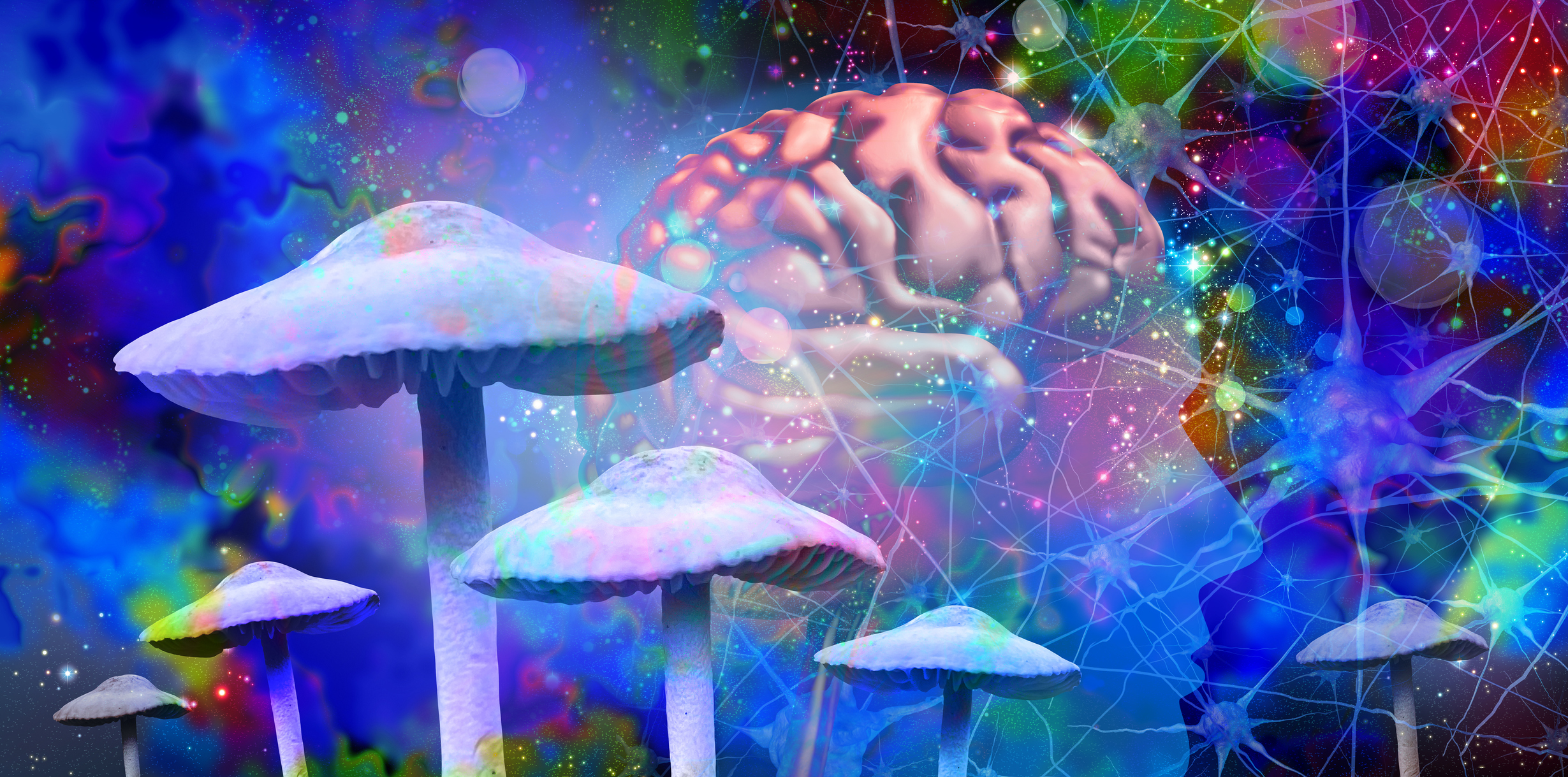
An In-Depth Exploration
In recent years, psychedelics have emerged from the shadows of cultural stigma and legal prohibition to become a significant focus of medical research and mental health treatment. Compelling evidence now suggests that psychedelics, when used responsibly and in controlled settings, can offer profound benefits for mental health and overall well-being. This blog post will delve into the history, science, and potential health benefits of psychedelics, providing a comprehensive understanding of their transformative potential.
A Brief History of Psychedelics
Psychedelics, also known as hallucinogens, have been used for thousands of years in various cultures for spiritual and medicinal purposes. Indigenous peoples in the Americas have long used substances like psilocybin mushrooms, peyote, and ayahuasca in traditional ceremonies. These practices were aimed at connecting with the divine, healing the body, and expanding consciousness.
In the mid-20th century, Western scientists began to explore the potential of psychedelics like LSD (lysergic acid diethylamide) and psilocybin (the active compound in magic mushrooms) for treating mental health disorders. However, the counterculture movement of the 1960s led to widespread recreational use, prompting government crackdowns and the classification of these substances as illegal.
Despite these setbacks, the past two decades have seen a resurgence of interest in psychedelics, driven by groundbreaking research and shifting public attitudes. Today, psychedelics are once again being recognized for their therapeutic potential, particularly in the realm of mental health.
The Science Behind Psychedelics
Psychedelics primarily affect the brain’s serotonin system, particularly the 5-HT2A receptor. This interaction leads to altered perceptions, emotions, and cognition, often resulting in profound and transformative experiences. Key psychedelics currently under study include:
- Psilocybin: Found in over 200 species of mushrooms, psilocybin is known for its capacity to induce deep, introspective experiences that can lead to lasting psychological insights.
- LSD: One of the most potent psychedelics, LSD can produce long-lasting effects that range from vivid hallucinations to profound changes in consciousness.
- MDMA (3,4-methylenedioxymethamphetamine): Although not a classic psychedelic, MDMA is known for its empathogenic effects, making it particularly useful in therapeutic settings for treating PTSD and other trauma-related disorders.
- DMT (N,N-Dimethyltryptamine): Often referred to as the “spirit molecule,” DMT induces intense, short-lived experiences that many users describe as mystical or otherworldly.
- Ayahuasca: A brew made from the Banisteriopsis caapi vine and other ingredients, ayahuasca contains DMT and is used in traditional Amazonian shamanic practices. It is known for its powerful purgative and visionary effects.
Health Benefits of Psychedelics
1. Mental Health Treatment
One of the most promising areas of psychedelic research is their potential to treat mental health disorders. Studies have shown that psychedelics can be highly effective in alleviating symptoms of depression, anxiety, PTSD, and addiction.
- Depression and Anxiety: Clinical trials have demonstrated that psilocybin can produce significant and lasting reductions in depression and anxiety, even in treatment-resistant cases. Participants often report a sense of connection, emotional release, and a shift in perspective that helps alleviate their symptoms.
- PTSD: MDMA-assisted therapy has shown remarkable success in treating PTSD. By reducing fear and increasing feelings of trust and empathy, MDMA helps patients process traumatic memories in a supportive therapeutic environment.
- Addiction: Psychedelics like psilocybin and ayahuasca have shown promise in treating addiction to substances such as alcohol, nicotine, and opioids. These substances can help individuals gain insights into their addictive behaviors and foster a sense of spiritual connection that supports long-term recovery.
2. Personal Growth and Self-Discovery
Beyond clinical settings, many individuals use psychedelics for personal growth and self-discovery. The profound experiences induced by these substances can lead to increased self-awareness, emotional healing, and a greater sense of purpose.
- Increased Self-Awareness: Psychedelics can help individuals explore their inner landscapes, uncovering unconscious patterns and emotions. This heightened self-awareness can lead to more authentic and fulfilling lives.
- Emotional Healing: Many users report that psychedelics help them confront and release deep-seated emotional pain. This cathartic process can lead to lasting emotional healing and improved relationships.
- Spiritual Connection: Psychedelics often induce mystical experiences that foster a sense of connection to something greater than oneself. This spiritual dimension can provide comfort, purpose, and a sense of belonging.
3. Enhanced Creativity and Problem-Solving
Psychedelics have long been associated with creativity and innovation. By altering perception and cognition, these substances can help break down mental barriers and encourage novel ways of thinking.
- Creativity: Many artists, musicians, and writers have used psychedelics to enhance their creative processes. These substances’ altered states of consciousness can lead to fresh perspectives and inspired creations.
- Problem-Solving: Psychedelics can help individuals approach problems from new angles, facilitating innovative solutions. This potential is being explored in various fields, including science, technology, and business.
4. Improved Emotional and Psychological Well-Being
Regular, responsible use of psychedelics has been associated with improved emotional and psychological well-being. Users often report increased feelings of empathy, gratitude, and overall life satisfaction.
- Empathy and Compassion: Psychedelics can foster a greater sense of empathy and compassion for oneself and others. This can improve relationships and contribute to a more harmonious society.
- Gratitude: Many individuals experience a deep sense of gratitude during and after psychedelic experiences. This can lead to a more positive outlook on life and improved mental health.
- Life Satisfaction: The lasting insights and emotional healing gained from psychedelic experiences can enhance overall life satisfaction and well-being.
Responsible Use and Considerations
While the benefits of psychedelics are compelling, it is essential to approach their use responsibly. Here are some key considerations:
- Set and Setting: The context in which psychedelics are used plays a crucial role in the experience. A safe, supportive environment and a positive mindset are essential for a beneficial outcome.
- Dosage: Proper dosing is critical to ensure a safe and manageable experience. Overdosing can lead to overwhelming and potentially traumatic experiences.
- Integration: Integrating insights gained from psychedelic experiences into everyday life is vital for long-term benefits. This often involves ongoing self-reflection, therapy, and lifestyle changes.
- Legal Status: The legal status of psychedelics varies by country and region. Before using these substances, it is important to be aware of local laws and regulations.
Conclusion
Psychedelics are at the forefront of a new frontier in mental health and well-being. As research continues to uncover their potential benefits, these substances offer hope for those struggling with mental health disorders and those seeking personal growth and self-discovery. When used responsibly and in appropriate settings, psychedelics can be powerful tools for healing, creativity, and spiritual connection.
As we progress, supporting ongoing research and advocating for sensible policies that facilitate safe and responsible use is crucial. By doing so, we can unlock the full potential of psychedelics to improve health and enrich lives.
If you’re intrigued by the transformative potential of psychedelics, you might be interested in exploring the history of these substances. Check out this detailed article on Psychedelics, which discusses their cultural significance and evolution over time. Additionally, learning about the therapeutic uses of psychedelics can provide deeper insights—consider reading about Psychedelic Therapy and its applications in mental health treatment. Finally, if you’re curious about the legal landscape surrounding these substances, the Wikipedia entry on Legal Status of Psychedelics offers an overview of current regulations and ongoing debates. These resources can enhance your understanding of how psychedelics are shaping the future of health and wellness.