The Science Behind Berberine: Unveiling Its Natural Health Benefits 2 min read

Blog
Let Me Tell You About Berberine—and Why It’s a Game-Changer for Weight Loss
Okay, so you’ve probably heard about Berberine being used for weight loss buzzing around the health world, right? It’s not just hype—this stuff is the real deal. It’s natural, backed by science, and helps with everything from weight management to heart health. Let me break it down for you in a way that actually makes sense.
What Exactly is Berberine?
Berberine is this awesome natural compound that comes from plants—mostly shrubs from the Berberis family (think traditional medicine vibes). People have been using it for centuries in Chinese and Ayurvedic medicine, but now researchers are diving in and realizing just how powerful it really is.

Why Berberine Is So Good for You
1. Helps with Weight Management
Berberine is like your metabolism’s BFF. It activates this enzyme called AMPK (basically the “energy booster” in your body), which helps burn sugar and fat more efficiently. It’s a natural way to get your body working smarter, not harder.
2. Keeps Your Heart Happy
If heart health is on your radar, Berberine has you covered. Here’s what it does:
- Lowers “bad” LDL cholesterol and triglycerides.
- Supports healthy blood pressure.
- Keeps your heart functioning smoothly.
It’s like a gentle nudge in the right direction without all the synthetic stuff.
3. Regulates Blood Sugar
This one’s huge. Berberine helps balance your blood sugar by improving how your body uses insulin and processes glucose. If you’re looking for steady energy and fewer sugar crashes, this is your go-to.

What Makes Berberine Elite Special?
Not all Berberine is created equal. Berberine Elite steps things up with its 5x absorption formula. Why does that matter? Regular Berberine can be tough for your body to absorb, but this formula makes sure you’re actually getting the benefits. Think faster results and more bang for your buck.
Why Go Natural with Berberine Elite For Weight Loss?
Let’s be real—there are so many synthetic options out there with weird additives and potential side effects. Berberine Elite keeps weight loss simple and clean, combining traditional plant-based wisdom with modern science. It’s safe, effective, and fits right into your wellness goals.
Ready to Give It a Try?
If you’re curious (and you should be), Berberine Elite is your ticket to better energy, heart health, and balanced blood sugar—all in one little supplement.
Oh, and here’s a bonus: use the code WELCOME10 for a sweet discount on your first order.
👉 Click here to learn more and get started with Berberine Elite today.


Detox Methods for a Healthy Lifestyle 5 min read

Blog
In today’s fast-paced world, adopting a healthy lifestyle through natural detox methods has become increasingly popular among health-conscious individuals and wellness enthusiasts. Detox, or detoxification, is a process that aims to cleanse the body of toxins, promoting overall well-being and vitality. With a variety of detox diets and recipes available, embracing a natural detox routine can offer numerous benefits, from increased energy levels to improved digestion and mental clarity. In this ultimate guide, we’ll delve into the fundamentals of detox, explore various cleansing techniques, and provide insightful tips on integrating detoxification into your daily routine, making it easier than ever to embark on your journey toward a revitalized and vibrant life.

Introduction to Detoxification
Understanding Detox
Detoxification, or detox, is a natural process where the body breaks down and eliminates toxins from its system. This process is essential for maintaining optimal health and preventing the buildup of harmful substances that can lead to various health issues. The liver, kidneys, and lungs play critical roles in detoxification, acting as filters and removing waste from the bloodstream. However, due to environmental pollutants, processed foods, and stress, our bodies can become overwhelmed, necessitating additional support through detox diets and practices. Embracing a detox regimen involves consuming nutrient-rich foods, staying hydrated, and possibly incorporating specific detox recipes to support and enhance the body’s natural cleansing abilities. Understanding detox is crucial for anyone looking to improve their overall well-being, as it provides the foundation for a healthier lifestyle and promotes vitality, energy, and mental clarity.
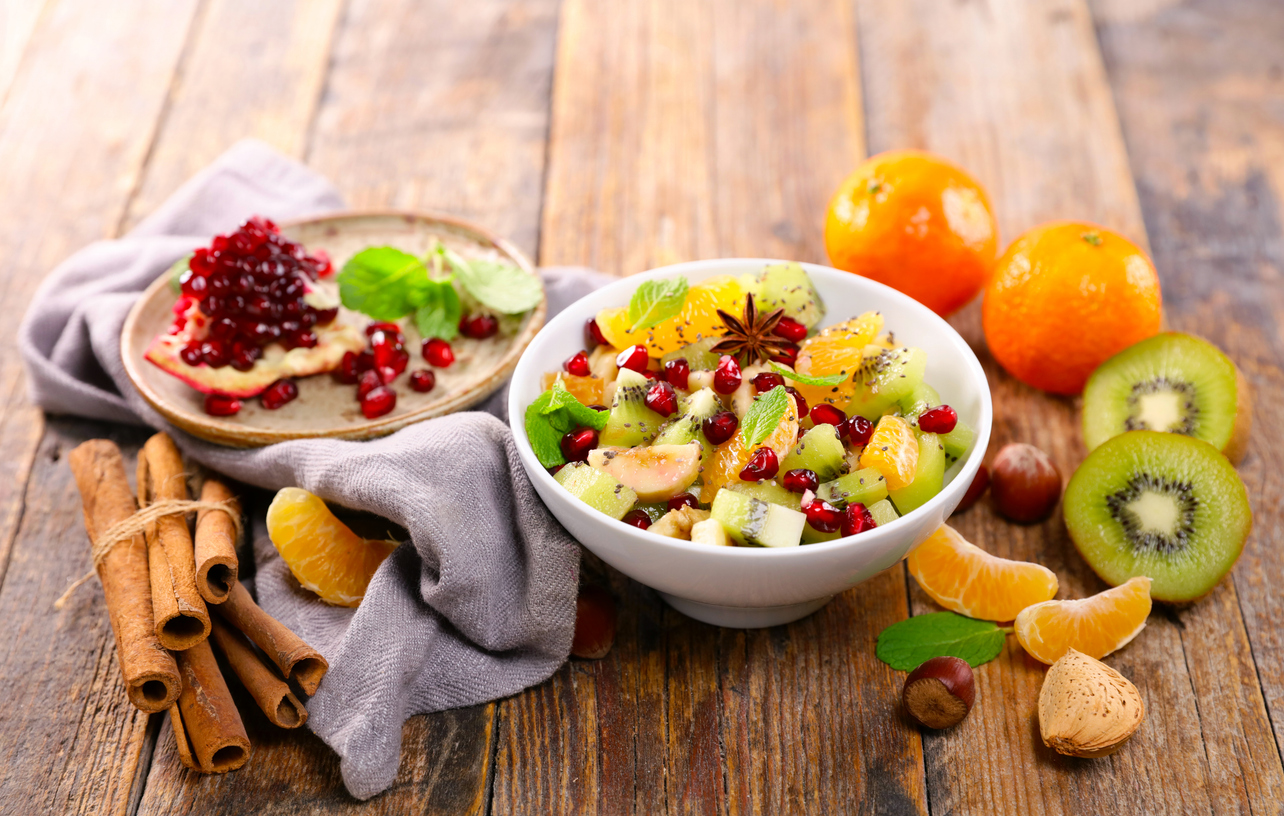
Importance of Cleansing
Cleansing is a fundamental aspect of detoxification that focuses on aiding the body’s natural ability to rid itself of toxins. This process is crucial because the accumulation of toxins can lead to fatigue, digestive issues, and a weakened immune system. Regular cleansing helps reset bodily functions, allowing for improved absorption of nutrients and more efficient elimination of waste. By incorporating natural detox methods into your routine, such as consuming whole foods, increasing water intake, and practicing mindful eating, you support the liver and kidneys, the body’s primary detox organs. Furthermore, cleansing can lead to clearer skin, enhanced mental clarity, and increased energy levels. These benefits of detox contribute to an overall healthier lifestyle. Prioritizing cleansing not only helps remove harmful substances but also fosters a sense of well-being and balance in your daily life. Understanding its importance empowers you to make informed decisions about your health journey.

Natural Detox Methods
Benefits of Detox Diets
Detoxification diets enhance the body’s natural detoxification processes by focusing on whole, unprocessed foods rich in nutrients. One of the primary benefits of detox diets is the potential for improved digestion. By eliminating processed foods and incorporating more fruits, vegetables, and fiber, these diets can help regulate bowel movements and reduce bloating. Additionally, detox diets often lead to increased energy levels. This is due to removing toxins that may cause fatigue and consuming foods that provide sustained energy.
Furthermore, they can promote weight loss as they typically involve cutting out high-calorie processed foods and sugars. Beyond physical benefits, detoxification diets can also improve mental clarity and mood. By nourishing the body with clean foods, individuals often report feeling more focused and emotionally balanced. Embracing detox diets can be a key step towards a healthier lifestyle and long-term well-being.

Simple Detox Recipes
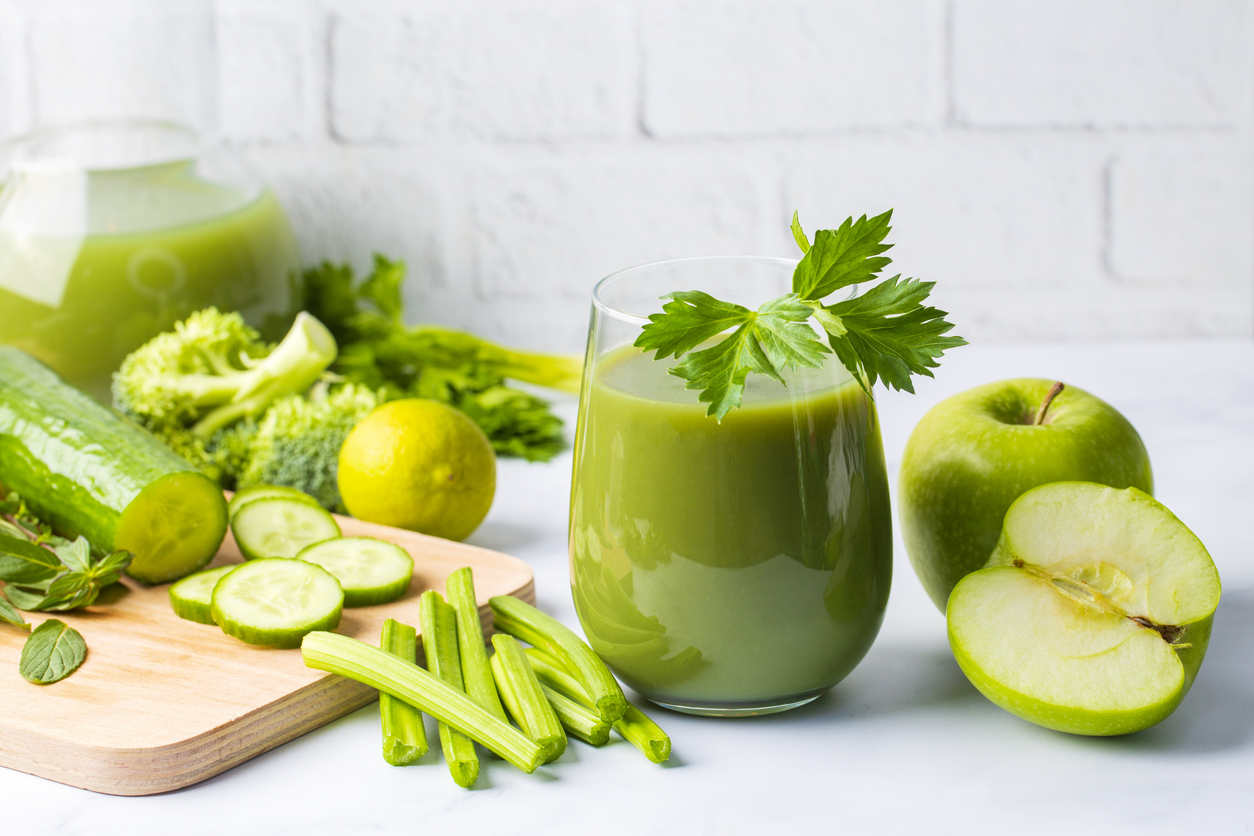
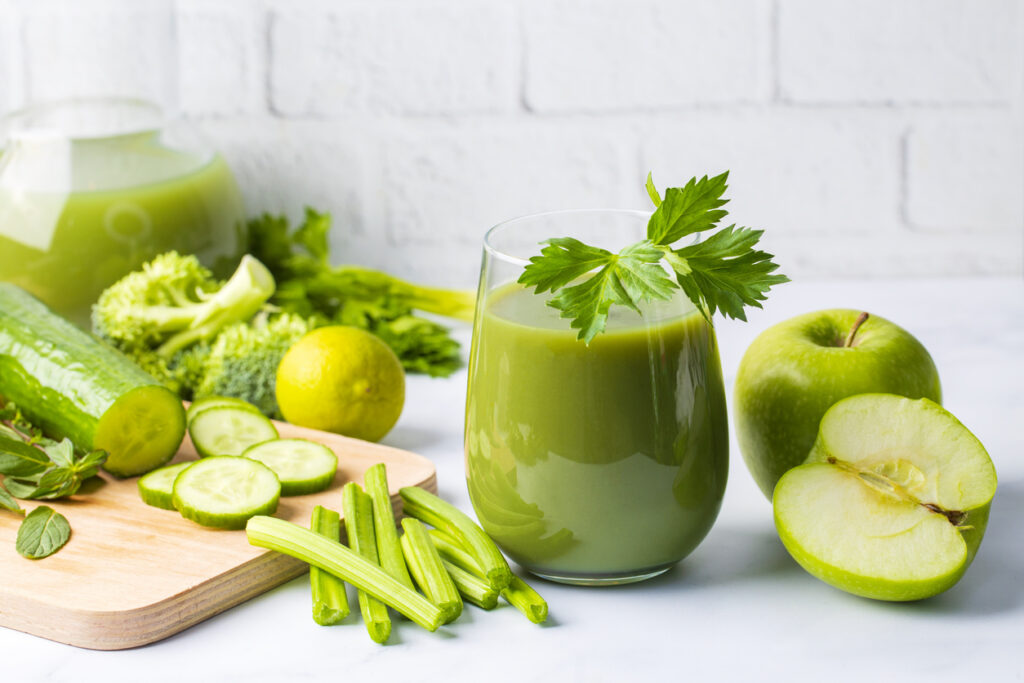
Incorporating simple detoxification recipes into your diet effectively supports your body’s natural cleansing processes. These recipes are often easy to prepare, focusing on fresh, whole ingredients rich in vitamins and minerals. For example, a green smoothie made with spinach, kale, green apple, and a splash of lemon juice is an excellent detox option that boosts antioxidants and fiber. Another straightforward recipe is a detox salad featuring mixed greens, avocado, cucumber, and a sprinkle of seeds dressed with olive oil and apple cider vinegar. Soups, such as a vegetable broth with carrots, celery, and ginger, offer warmth and nourishment while aiding digestion. These recipes not only help in detoxification but also ensure you stay satiated and energized throughout the day. By integrating these simple detoxification recipes into your routine, you can enjoy the benefits of detox without complicated meal preparations.
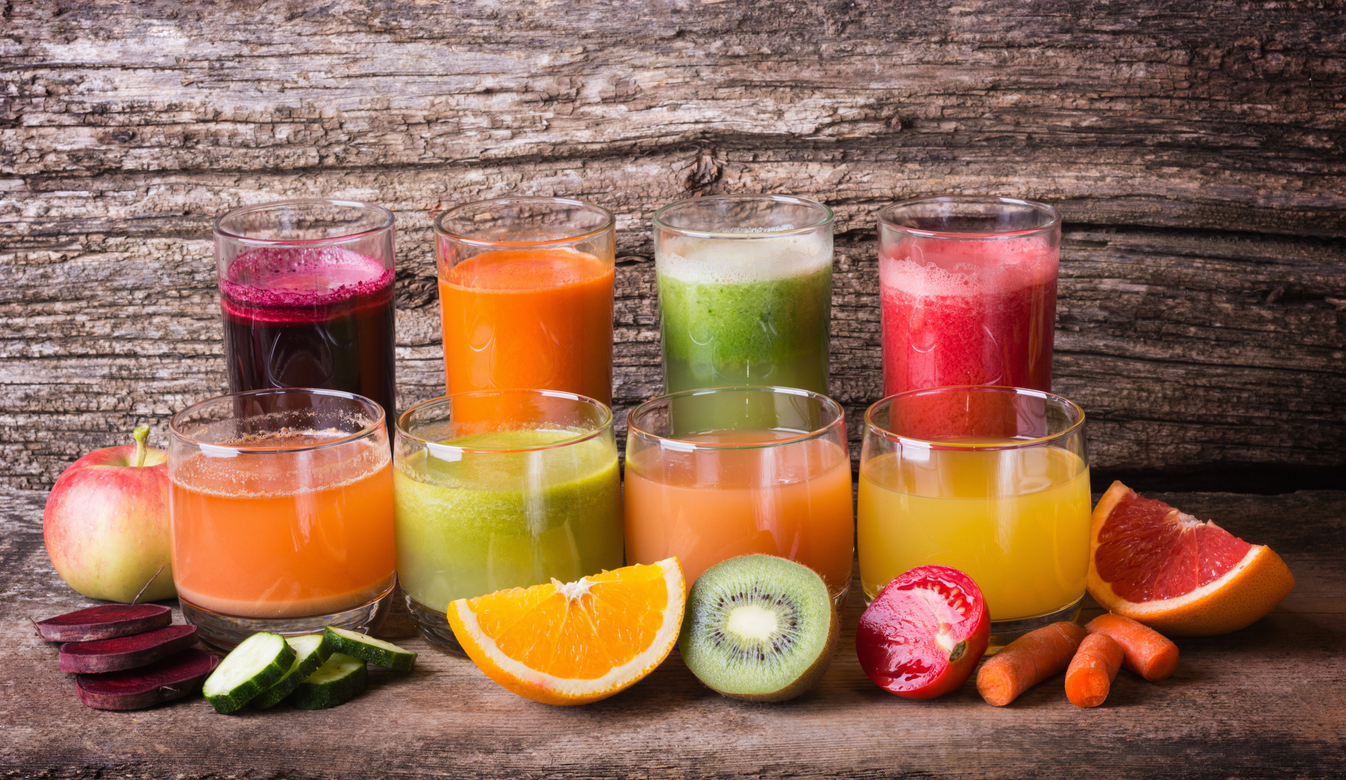
Embracing a Healthy Lifestyle
Incorporating Detox into Daily Life
Integrating detoxification practices into your daily life can be both seamless and beneficial. Start by making small, sustainable changes rather than overhauling your entire routine. One effective strategy is to begin each day with a glass of warm lemon water, which can help kickstart your metabolism and aid in digestion. Prioritize hydration throughout the day by drinking plenty of water, herbal teas, or infusions with detoxifying herbs like ginger and turmeric. Focus on incorporating more whole foods into your meals, such as fruits, vegetables, lean proteins, and whole grains, while reducing processed foods and added sugars. Exercise plays a crucial role in detoxification, so aim for regular physical activity, whether it’s a brisk walk, yoga, or a workout session. Additionally, allocate time for mindfulness practices like meditation or deep breathing to reduce stress. By gradually incorporating these detox habits, you can enhance your overall well-being and maintain a healthy lifestyle.
Long-term Benefits of Detox
Embracing detoxification practices as part of your lifestyle can yield significant long-term benefits. Over time, regular detoxification can lead to sustained energy levels as your body becomes more efficient at eliminating toxins that often cause fatigue. Improved digestion is another key benefit. Detoxification practices support the gut by promoting the growth of beneficial bacteria and reducing inflammation. This can result in less bloating and better nutrient absorption. Additionally, long-term detox can contribute to a stronger immune system, as reducing toxins allows the body’s defense mechanisms to function more effectively. Beyond physical health, detoxification can also enhance mental well-being. Individuals often experience sharper focus and better mood regulation, leading to increased productivity and better stress management. Moreover, detox can support healthy weight management by encouraging healthier eating habits. By reaping these long-term benefits, you improve your immediate health and lay the foundation for a vibrant and balanced life.
















Comprehensive Guide to Fasting: Types, Benefits, and Practical Tips for a Healthier Lifestyle 5 min read
Blog

Fasting, an ancient practice with roots in religious rituals and health traditions, is experiencing a modern revival due to its numerous health benefits. From weight loss to enhanced brain function, fasting offers a range of health benefits. This guide will explore the different types of fasting, their benefits, and practical tips for incorporating fasting into your lifestyle.
What is Fasting?
Fasting involves voluntarily abstaining from food and sometimes drink for a set period. While water is typically allowed, other forms of fasting might include abstaining from specific types of foods or drinks. The essence of fasting is giving your body a break from constant digestion, allowing it to focus on other vital processes.
The History of Fasting
Fasting is not a new concept. It has been a part of human culture for centuries, used for religious, spiritual, and health reasons. Ancient Greeks, including Hippocrates, practiced fasting for health benefits. Major religions such as Islam, Christianity, and Buddhism incorporate fasting into their spiritual practices, underscoring its deep-rooted significance across different cultures.
Types of Fasting
Several fasting methods exist, each with unique protocols and benefits. Understanding the various types can help you choose the one that best suits your lifestyle and health goals.
Intermittent Fasting
Intermittent fasting (IF) is one of the most popular forms of fasting today. It involves cycling between periods of eating and fasting. Common IF protocols include:
- 16/8 Method: Fasting for 16 hours and eating within an 8-hour window.
- Eat-Stop-Eat: Fasting for 24 hours once or twice a week.
- 5:2 Diet: Eating normally for five days and consuming 500-600 calories on two non-consecutive days.
Extended Fasting
Extended fasting involves abstaining from food for more than 24 hours, typically ranging from 48 hours to several days. This method is more advanced and requires careful preparation and monitoring.
Alternate-Day Fasting
This method involves alternating between days of normal eating and fasting. On fasting days, some protocols allow for a small intake of calories (about 500 calories).
The 5:2 Diet
The 5:2 diet, a form of intermittent fasting, involves eating normally for five days of the week and restricting calorie intake to 500-600 calories on the remaining two days.
Water Fasting
Water fasting is a type of fasting where only water is consumed. It is typically done for 24-72 hours and is often used for detoxification and health rejuvenation.
Juice Fasting
Juice fasting involves consuming only fruit and vegetable juices for a set period. This type of fasting can provide a nutrient boost while giving the digestive system a break.
Health Benefits of Fasting
Fasting offers a wide range of health benefits supported by scientific research. Here are some of the most notable advantages:
Weight Loss and Metabolic Health
Fasting can lead to weight loss by reducing calorie intake and enhancing metabolic processes. It helps lower insulin levels, increase growth hormone levels, and boost norepinephrine, all of which contribute to fat burning.
Improved Insulin Sensitivity
Fasting helps reduce insulin resistance, lowering blood sugar levels and reducing the risk of type 2 diabetes. Improved insulin sensitivity allows your body to manage blood sugar more effectively.
Enhanced Brain Function
Fasting has been shown to enhance brain function by promoting the production of brain-derived neurotrophic factor (BDNF), a protein that supports neuron growth and protects against neurodegenerative diseases.
Cellular Repair and Longevity
During fasting, cells initiate autophagy, a process where damaged cells are removed and repaired. This cellular “housecleaning” promotes longevity and reduces the risk of diseases like cancer and Alzheimer’s.
Reduced Inflammation
Fasting helps reduce inflammation by lowering oxidative stress and decreasing the production of inflammatory cytokines. This can alleviate symptoms of chronic inflammatory conditions like arthritis and improve overall health.
Getting Started with Fasting
Embarking on a fasting journey can be daunting, but it can be a rewarding and sustainable practice with the right approach.
Choosing the Right Fasting Method
Select a fasting method that aligns with your lifestyle, health goals, and comfort level. Beginners may find intermittent fasting more manageable, while experienced fasters might explore extended fasting.
Preparing for Your Fast and Self-Restraint
Preparation is key to a successful fast. Ensure you are well-nourished and hydrated before starting. Gradually reduce your food intake a day or two before an extended fast to ease the transition. In the beginning, this takes some self-restraint, but you’ve got this!
Staying Hydrated
Hydration is crucial during fasting. Drink plenty of water and consider herbal teas or electrolyte drinks to maintain balance. Avoid sugary drinks and caffeine, as they can cause dehydration.
Listening to Your Body
Pay attention to your body’s signals. If you feel dizzy, weak, or excessively fatigued, it may be necessary to break your fast. It’s important to prioritize your health and well-being over rigid fasting rules.
Common Fasting Challenges and How to Overcome Them
Fasting can present challenges, especially for beginners. Here are some common obstacles and tips to overcome them:
Hunger Pangs
Hunger is natural during fasting, but it often subsides after the initial phase. Stay hydrated, distract yourself with activities, and remember that hunger comes in waves.
Fatigue and Irritability
Feeling tired or irritable is common, especially in the beginning. Ensure you get enough rest, engage in light activities, and maintain a positive mindset.
Social Situations
Social events can be challenging while fasting. Plan ahead by informing friends and family, and if necessary, bring your own fasting-friendly options. Focus on the social aspects rather than the food.
Plateauing
If you hit a weight loss plateau, consider adjusting your fasting method or incorporating exercise. Changing your eating window or trying a different fasting protocol can help break through the plateau.
Myths and Misconceptions about Fasting
Fasting is surrounded by myths and misconceptions. Here are some common ones debunked:
Myth 1: Fasting Causes Muscle Loss
Contrary to popular belief, fasting does not necessarily lead to muscle loss. Short-term fasting can actually increase growth hormone levels, preserving muscle mass while promoting fat loss.
Myth 2: Fasting Slows Metabolism
Fasting can boost metabolism by increasing norepinephrine levels. However, prolonged fasting or extreme calorie restriction can slow metabolism, so it’s important to fast responsibly.
Myth 3: Fasting is Dangerous
Fasting is generally safe for healthy individuals when done correctly. However, people with certain medical conditions or those who are pregnant or breastfeeding should consult a healthcare professional before fasting.
Myth 4: You Can’t Exercise While Fasting
Many people successfully exercise while fasting. Low to moderate-intensity workouts can be beneficial and even enhance the effects of fasting. Listen to your body and adjust your activity level as needed.
Frequently Asked Questions
How long should I fast for optimal health benefits?
The optimal fasting duration varies for each individual. Intermittent fasting protocols like the 16/8 method are sustainable for most people, while extended fasts should be approached with caution and professional guidance.
Can I drink coffee or tea while fasting?
Yes, plain coffee and tea are generally allowed during fasting as they are low in calories. Avoid adding sugar or milk, as it can break your fast.
Will fasting help me lose weight?
Fasting can aid weight loss by reducing calorie intake and enhancing metabolic processes. However, the best results are obtained by combining fasting with a balanced diet and regular exercise.
What should I eat after breaking a fast?
After breaking a fast, start with light, easily digestible foods like fruits, vegetables, and soups. Gradually reintroduce more substantial meals to avoid overwhelming your digestive system.
Is fasting suitable for everyone?
Even though there are health benefits to fasting, is not suitable for everyone. People with certain medical conditions, those who are pregnant or breastfeeding, and individuals with a history of eating disorders should consult a healthcare professional before fasting.
Conclusion
As you can see, fasting has many health benefits. It is a powerful tool for enhancing physical, mental, and spiritual well-being. You can embark on a successful fasting journey by understanding the different types of fasting, their benefits, and practical tips. Remember to listen to your body, stay hydrated, and choose a method that aligns with your lifestyle and goals. With patience and perseverance, fasting can become a rewarding and sustainable practice that transforms your health.