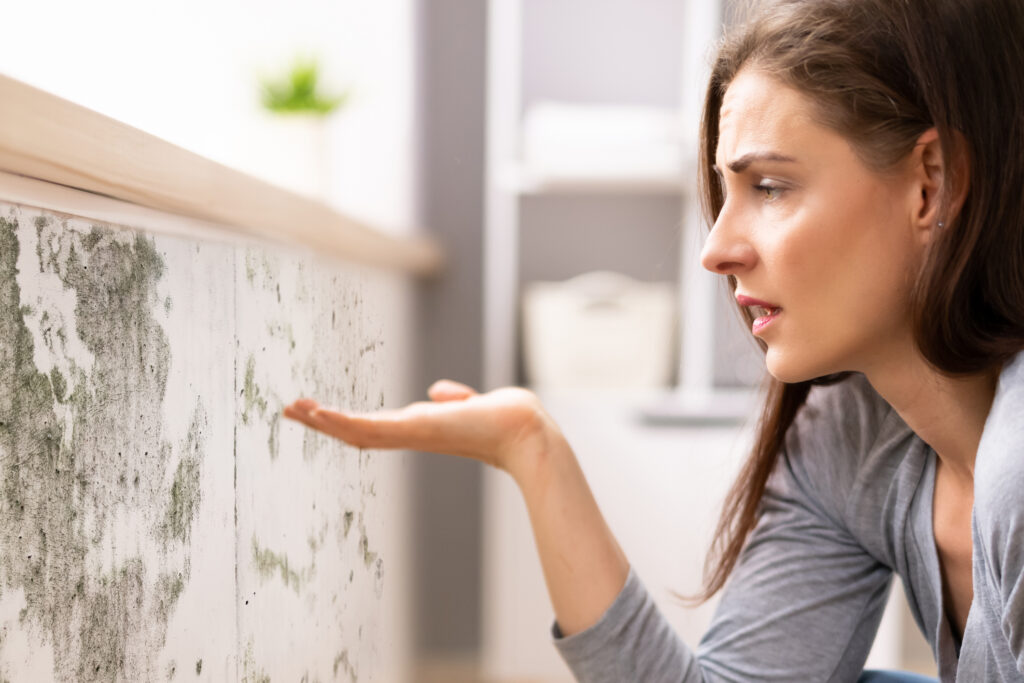
5G, EMF and Your Health: What You Need to Know 7 min read

Blog
As the digital world embraces the rapid expansion of 5G technology, homeowners and health-conscious individuals must understand the potential health consequences of 5G and electromagnetic fields (EMF). With the promise of faster internet and enhanced connectivity, 5G also brings concerns about its health effects, particularly regarding EMF exposure risks. This piece aims to shed light on the health consequences of 5G radiation and how it might affect our well-being. By exploring the intersection of health and technology, we seek to provide homeowners with the knowledge and strategies to manage and potentially mitigate these risks in their living spaces.

Introduction to 5G and EMF
What are 5G and EMF?
5G, the fifth generation of mobile network technology, promises faster data speeds and more reliable internet connections. It operates at higher frequencies than previous networks, enabling it to carry more data. This advancement supports the growing number of smart devices in homes and businesses. Electromagnetic fields (EMF) are invisible areas of energy, often referred to as radiation, associated with electrical power and various forms of natural and human-made lighting.
EMFs are categorized into two types: ionizing and non-ionizing. Non-ionizing EMFs, like those from 5G, have lower energy levels and are generally considered less harmful. However, the increasing presence of 5G raises questions about prolonged exposure and potential health effects. Understanding both 5G and EMF is essential for homeowners to make informed decisions about their exposure and how to manage it within their living and working environments.

Common Misconceptions About 5G
With the rollout of 5G technology, several misconceptions have emerged, often clouding public perception. One prevalent myth is that 5G networks are significantly more harmful than previous generations. In reality, 5G operates on higher frequencies, which are non-ionizing and similar to those used in previous technologies, albeit at a greater capacity.
Another misconception is that 5G infrastructure, such as small cell towers, drastically increases EMF exposure. While it’s true that more infrastructure is needed for 5G, these installations emit relatively low radiation levels due to their proximity to users and regulatory limits on power outputs.
Furthermore, some believe that 5G technology causes health issues, such as headaches or insomnia. Scientific studies have not conclusively linked 5G exposure to such health problems. Understanding these misconceptions is crucial for homeowners to separate fact from fiction, allowing them to make informed decisions about technology usage and health.

Importance of Understanding EMF Exposure
Understanding EMF exposure is vital for ensuring the health and safety of individuals in increasingly connected environments. With the proliferation of devices and network advancements like 5G, awareness of EMF exposure risks can empower homeowners to make informed choices about their living spaces. While current research indicates that non-ionizing EMFs, such as those from 5G, are generally safe, long-term exposure effects remain a subject of ongoing study.
Being informed enables individuals to balance the benefits of modern technology with potential health considerations. This knowledge also allows homeowners to implement precautionary measures, such as reducing unnecessary device use, maintaining safe distances from EMF sources, and using shielding products when needed. By understanding EMF exposure, individuals can mitigate potential risks, ensuring that their homes remain safe spaces while still benefiting from technological advancements. This proactive approach fosters a healthier coexistence with emerging technologies.
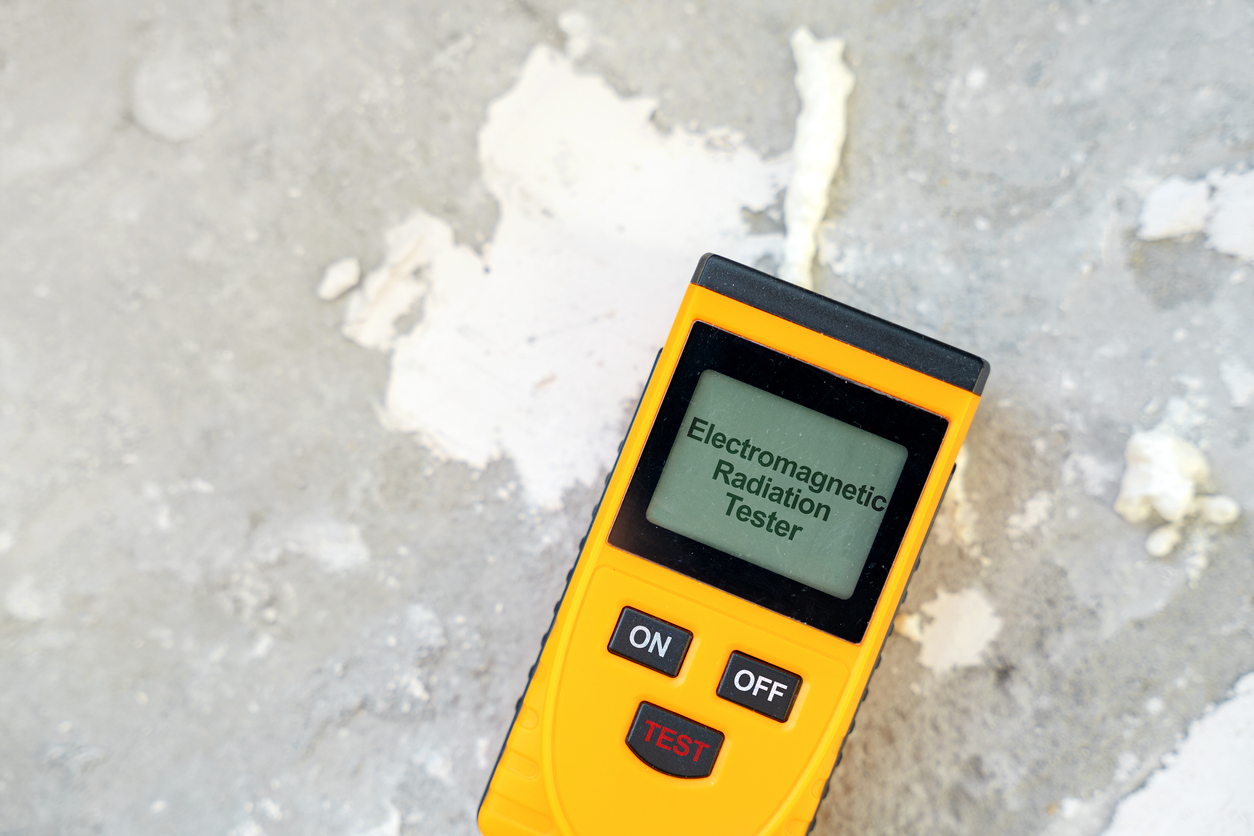
Health Effects of 5G and EMF
Exploring 5G Health Effects
The health effects of 5G have been a topic of considerable debate, primarily due to the higher frequencies and increased number of antennas required for its deployment. Some concerns center on the potential for increased EMF exposure, which may impact health over time. However, current scientific evidence does not definitively link 5G radiation with adverse health effects. Many studies focus on the short-term effects of exposure, and researchers continue to investigate potential long-term consequences.
Organizations such as the World Health Organization and the International Commission on Non-Ionizing Radiation Protection have established guidelines to ensure that 5G technology operates within safe exposure limits. These guidelines are designed to protect public health by minimizing potential risks. While ongoing research is crucial to fully understanding the implications of 5G, current regulations aim to ensure that this technology remains safe for widespread use, balancing innovation with health considerations.

Analyzing EMF Exposure Risks
Analyzing EMF exposure risks involves assessing how electromagnetic fields interact with the human body, especially those from 5G networks. Non-ionizing radiation, like that from EMFs, is generally considered less harmful than ionizing radiation, yet there are ongoing discussions about potential health impacts from prolonged exposure. Current studies focus on biological effects, such as thermal effects where tissues are heated by EMF absorption and potential non-thermal impacts, which are less understood.
Risk assessment involves considering exposure levels, duration, and frequency of contact with EMF sources. Regulatory bodies have set exposure limits to mitigate these risks, ensuring that 5G infrastructure operates within safe parameters. However, continuous monitoring and research are necessary to update these guidelines as technology advances. Homeowners can also take proactive measures, such as minimizing device usage and optimizing the placement of routers and other devices, to manage their exposure effectively.

Long-term Health Consequences
The long-term health consequences of exposure to 5G and EMF are not fully understood, primarily because 5G technology is relatively new, and comprehensive longitudinal studies are still underway. Concerns often revolve around potential risks like cancer, neurological disorders, or reproductive issues, which some fear could be linked to prolonged EMF exposure. However, existing research and health guidelines suggest that, under current exposure limits, the risk of significant adverse health effects is low.
Regulatory agencies worldwide, including the World Health Organization, continue to monitor the situation, ensuring that any new scientific data is reflected in public health policies. For homeowners, staying informed about ongoing research and adhering to recommended safety practices can help mitigate uncertainty. Simple actions, such as limiting the use of wireless devices or maintaining a distance from EMF sources, can further reduce potential risks. This cautious approach allows individuals to safely integrate new technologies into their lives while awaiting more definitive research outcomes.

Practical Tips for Reducing Exposure
Simple Ways to Minimize 5G Radiation
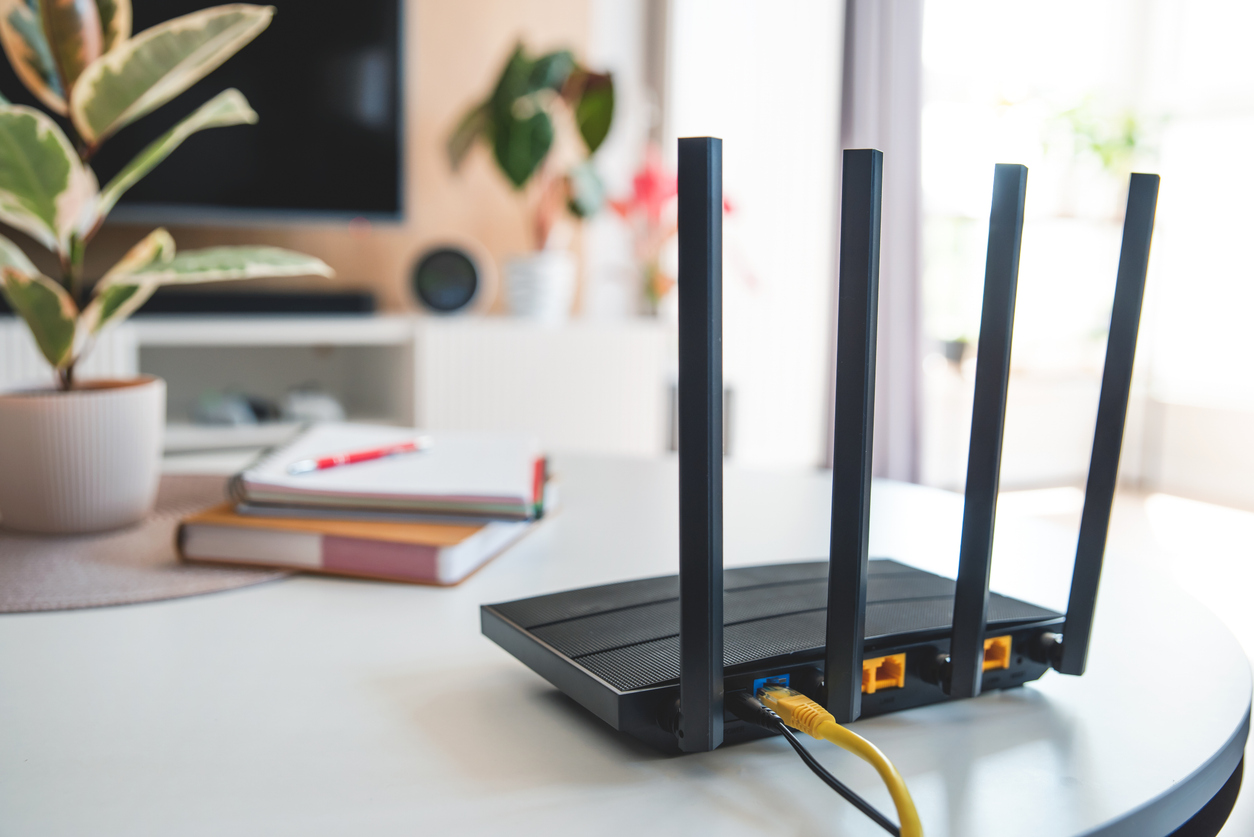
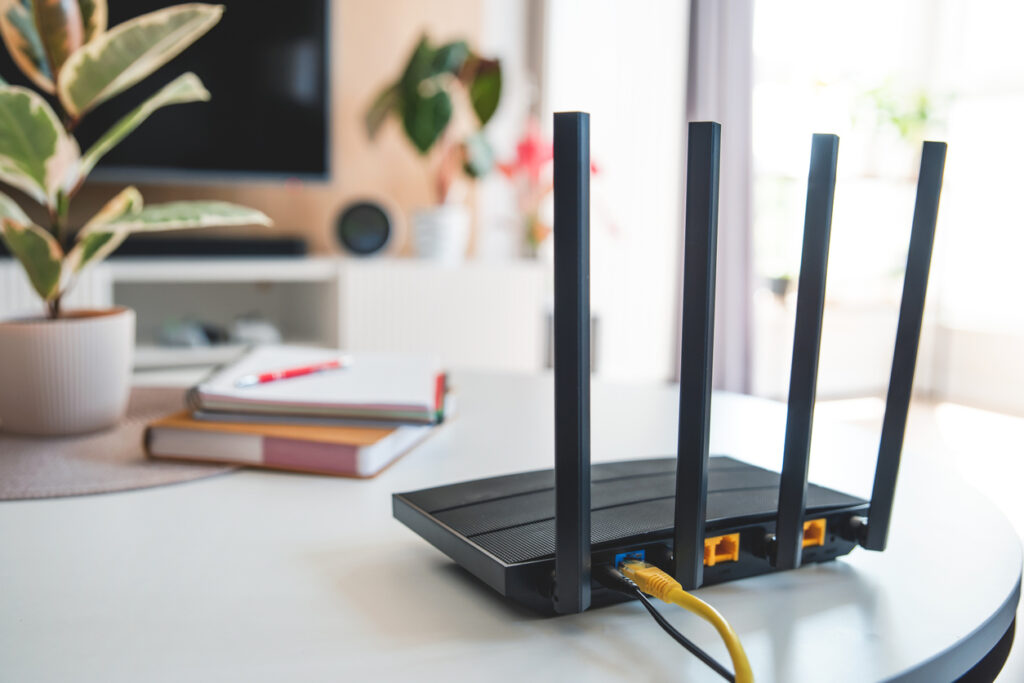
A few straightforward strategies can help you minimize 5G radiation in your home. Start by optimizing the placement of your router. Position it in a central location away from frequently occupied spaces like bedrooms or living rooms to reduce unnecessary exposure. Additionally, consider turning off your router at night or when not used.
Using wired connections whenever possible can significantly lower exposure, as wired internet does not emit EMF radiation. For mobile devices, enable airplane mode when they are not needed, especially during sleep, to cut off unnecessary signals.
Investing in EMF shielding products can also be beneficial. These include cases for phones and tablets or curtains that block radiation from entering your home. Regularly updating yourself on EMF guidelines and emerging research helps ensure you take the most effective steps to protect yourself and your family. By integrating these practices, you can enjoy the benefits of 5G while maintaining a healthy living environment.
Home Safety Techniques
Implementing home safety techniques is an effective way to manage EMF exposure from 5G and other wireless technologies. Begin by identifying high-exposure areas in your home, particularly where electronic devices converge. Limiting time spent in these areas can reduce overall exposure.
Use furniture and home design to create distance between you and EMF sources. For example, arrange sleeping areas and workspaces away from routers, smart meters, and large appliances. Opt for hardwired internet connections for computers and smart TVs to minimize reliance on wireless networks.
Install EMF-blocking paint or window film to shield from external sources, especially if your home is near cell towers. Regularly maintain and update electronic devices, as newer models often have improved safety standards and reduced emissions. Educate household members about these techniques to ensure consistent application. Adopting these home safety measures reduces EMF exposure while maintaining a comfortable and connected lifestyle.

Balancing Health and Technology
Striking a balance between health and technology involves being mindful of EMF exposure while still enjoying modern technology’s conveniences. Start by setting boundaries for device usage. Encourage tech-free zones or times in your home, such as during meals or before bedtime, to limit exposure and promote healthy habits.
Educate yourself and your family about the safe use of technology. Understanding how devices work and their potential impacts can empower you to make informed decisions. Regularly review and adjust your home’s technology setup to align with the latest safety guidelines and personal comfort levels.
Invest in smart home systems that allow you to control devices remotely, reducing unnecessary EMF exposure. Prioritize mindful consumption by choosing devices with lower radiation emissions. Embracing a balanced approach enables you to leverage the benefits of technology without compromising your health, creating a harmonious and safe living environment.







Mold: Protect Your Health & Home with Proven Techniques 5 min read
Blog
Mold is a common but often overlooked issue in homes and workplaces. It’s not just an unsightly nuisance; mold can significantly impact your health and well-being. In this comprehensive guide, we’ll explore what mold is, how it affects your health, and how you can prevent and manage mold growth in your environment.
What is Mold?
Mold is a fungus that thrives in damp, warm, and humid environments. It can grow on virtually any organic material, including wood, paper, carpet, food, and insulation. Mold reproduces by releasing tiny spores into the air, which can then land on new surfaces and start new colonies. These spores are invisible to the naked eye and can be easily inhaled, leading to various health issues.
Common Types of Mold
There are thousands of species of mold, but a few common types are frequently found indoors:
- Cladosporium: Often found in damp areas like basements, bathrooms, and around HVAC systems.
- Penicillium: This mold is commonly found on water-damaged materials and is known for its green or blue appearance.
- Aspergillus: This mold, found in dust, stored grain, and decaying vegetation, can cause serious health issues.
- Stachybotrys: Also known as “black mold,” it is less common but can be highly toxic.
Health Effects of Mold Exposure
Mold exposure can lead to various health problems, ranging from mild to severe. Here are some of the most common health issues associated with mold:
1. Respiratory Problems
- Allergic Reactions: Many people are allergic to mold spores, which can cause symptoms such as sneezing, runny nose, itchy eyes, and skin rashes.
- Asthma Attacks: Mold can trigger asthma attacks in individuals with asthma, leading to increased frequency and severity of symptoms.
- Chronic Respiratory Conditions: Prolonged exposure to mold can lead to chronic respiratory issues, including sinus infections and bronchitis.
2. Neurological Symptoms
- Headaches: Exposure to mold can cause headaches and migraines in some individuals.
- Memory Problems: Some studies suggest mold exposure can lead to cognitive issues such as memory loss and difficulty concentrating.
- Mood Swings: There is evidence that mold exposure can affect your mood, leading to irritability, anxiety, and depression.
3. Skin and Eye Irritations
- Dermatitis: Mold exposure can cause skin irritations, including red, itchy, and inflamed skin.
- Eye Irritation: Contact with mold spores can lead to itchy, red, and watery eyes.
4. Immune System Effects
- Weakened Immune System: Chronic exposure to mold can weaken your immune system, making you more susceptible to infections and illnesses.
- Hypersensitivity Pneumonitis: This is an immune system disorder caused by inhaling mold spores, leading to inflammation of the lungs.
Mold and Health Conditions
Certain populations are more vulnerable to mold-related health issues:
1. Children
Children are particularly susceptible to mold because their immune systems are still developing. Exposure to mold can increase the risk of respiratory infections, asthma, and allergies in children.
2. Elderly
The elderly are more likely to experience severe health effects from mold exposure due to weaker immune systems and pre-existing health conditions.
3. Immunocompromised Individuals
People with weakened immune systems, such as those undergoing chemotherapy or living with HIV/AIDS, are at a higher risk of developing serious health complications from mold exposure.
Preventing Mold Growth for Better Health
Preventing mold growth is crucial to maintaining a healthy indoor environment. Here are some effective strategies:
1. Control Humidity Levels
- Use Dehumidifiers: Keep indoor humidity levels below 60% using dehumidifiers.
- Ventilation: Ensure proper ventilation in moisture-prone areas, such as bathrooms, kitchens, and basements.
2. Fix Leaks Promptly
- Repair Leaks: Address any leaks in roofs, windows, or pipes immediately to prevent water accumulation.
- Regular Inspections: Regularly inspect areas susceptible to leaks and moisture buildup.
3. Clean and Dry Wet Areas
- Immediate Action: Clean and dry any wet areas within 24-48 hours to prevent mold growth.
- Use Mold-Resistant Products: When renovating, use mold-resistant drywall and paint in moisture-prone areas.
4. Improve Air Circulation
- Use Fans: Utilize fans to improve air circulation in your home.
- Open Windows: Open windows to allow fresh air to circulate, especially after activities that produce moisture.
5. Regular Cleaning
- Clean Surfaces: Regularly clean surfaces with mold-killing products, especially in high-moisture areas.
- Vacuum with HEPA Filters: Use a vacuum cleaner with a HEPA filter to remove mold spores from carpets and upholstery.
Identifying Mold in Your Home
Identifying mold early can prevent serious health issues and structural damage. Here are some signs to look for:
1. Visible Mold Growth
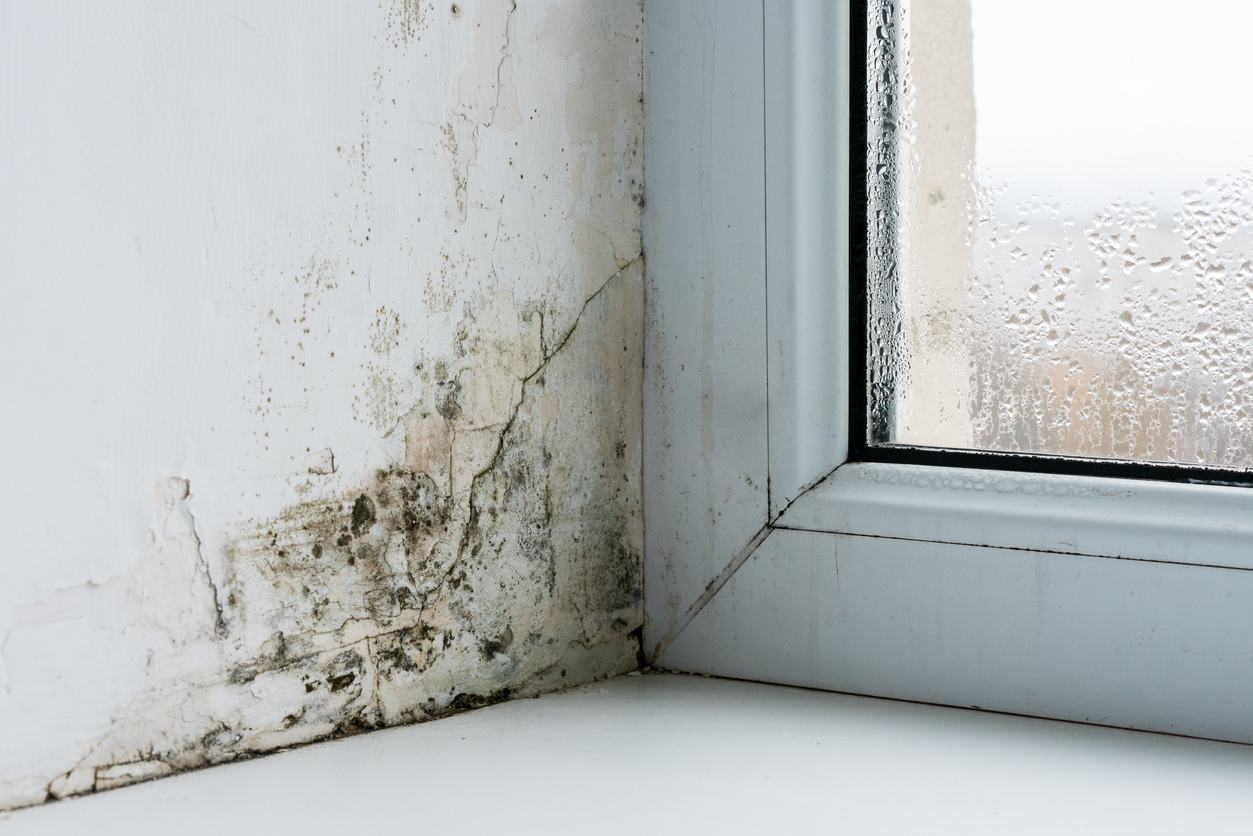
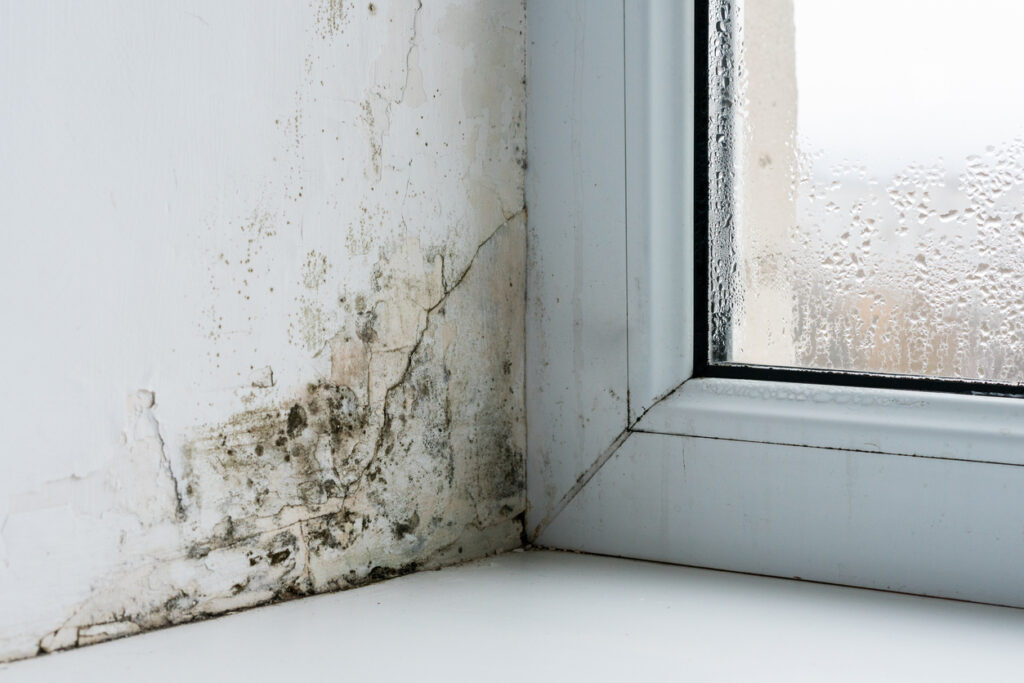
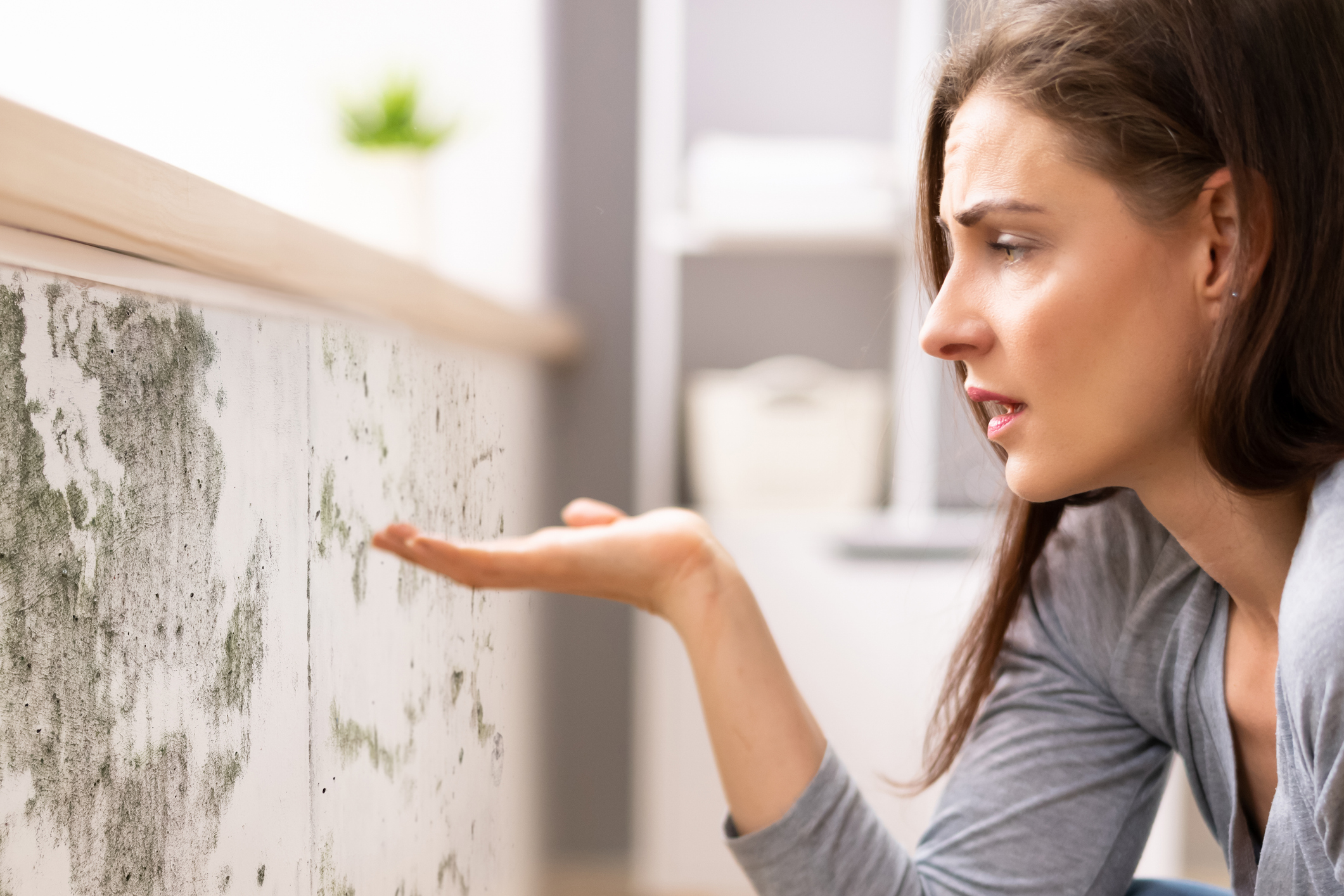
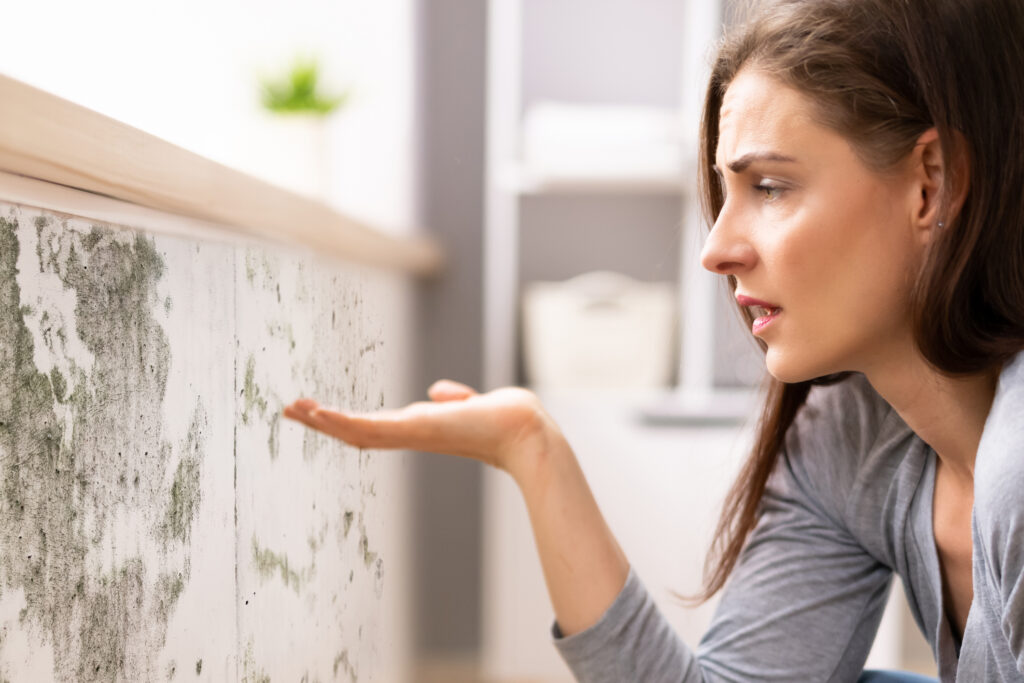
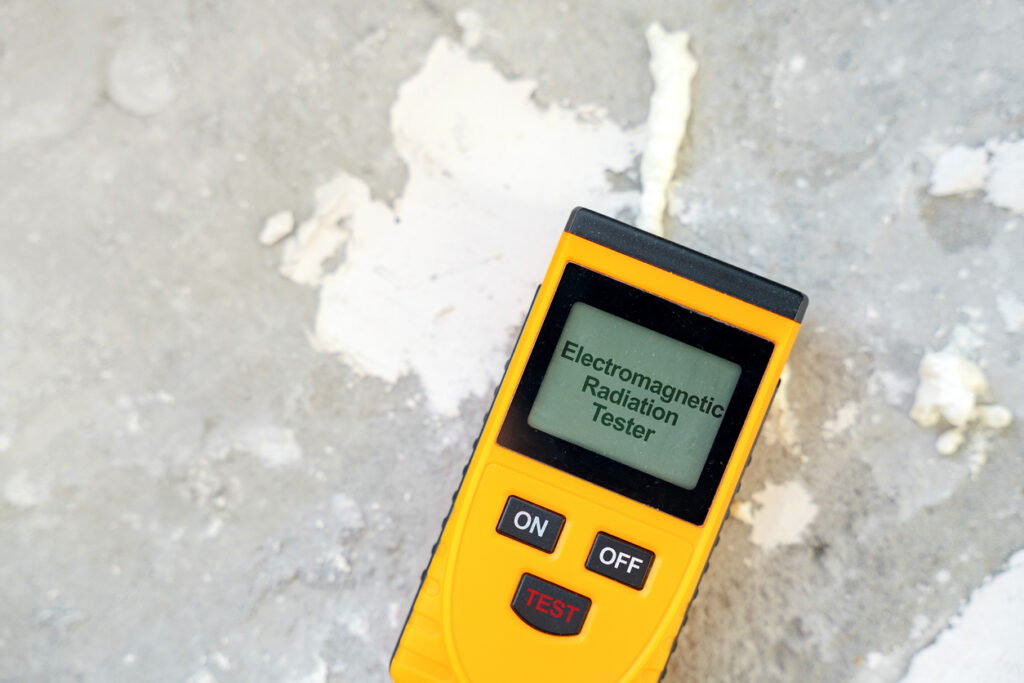
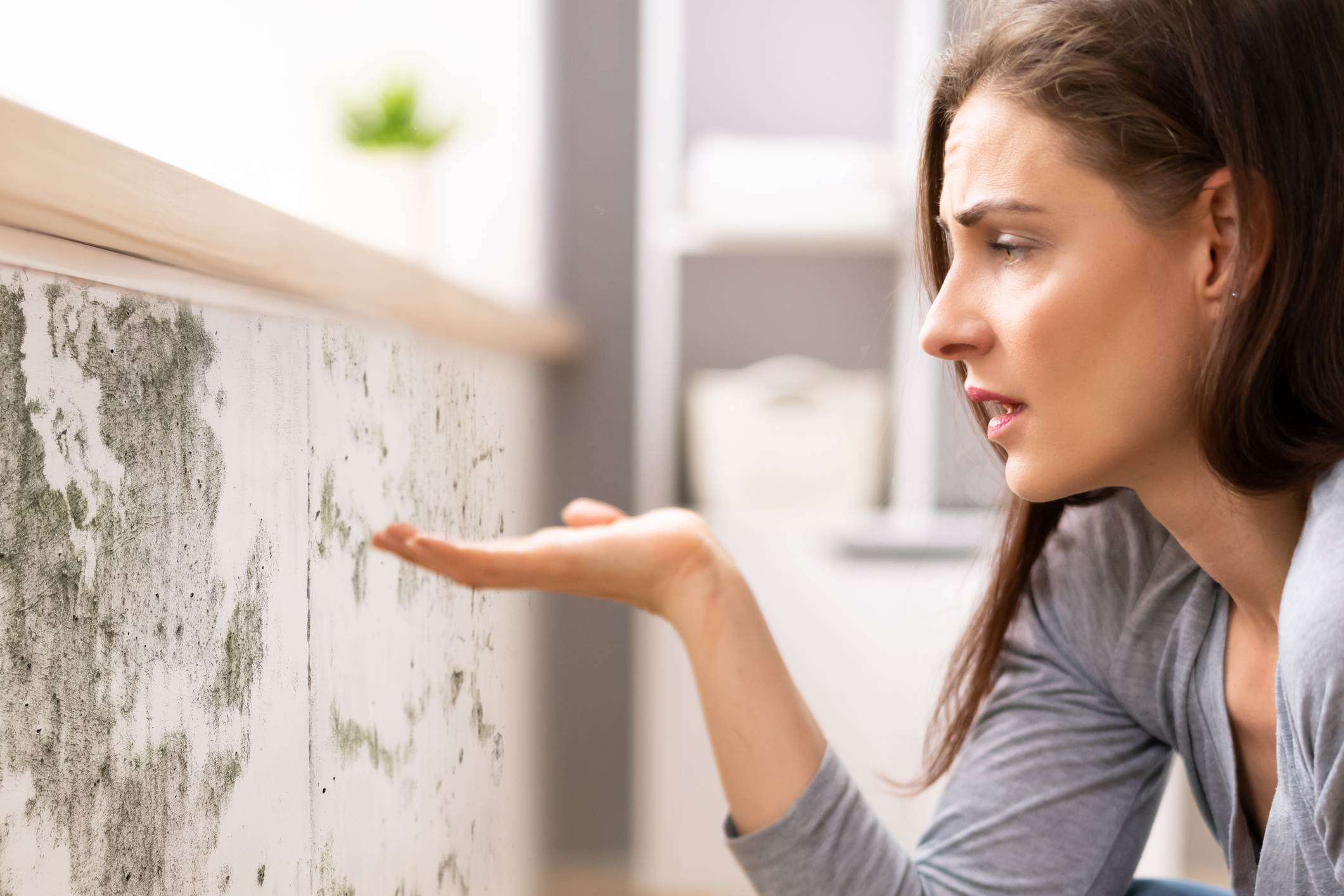
- Discoloration: Look for black, green, or white patches on walls, ceilings, and other surfaces.
- Texture: Mold often appears fuzzy or slimy.
2. Musty Odor
- Smell: A persistent musty odor can indicate hidden mold growth.
3. Water Damage
- Stains and Spots: Water stains or discoloration on walls and ceilings can indicate mold growth behind the surface.
- Peeling Paint: Bubbling or peeling paint is often a sign of moisture buildup and potential mold growth.
Professional Mold Remediation
If you discover significant mold growth in your home, hiring a professional mold remediation service is best. Professionals have the tools and expertise to safely remove mold and prevent it from returning. Here’s what to expect from a professional mold remediation process:
1. Inspection and Assessment
- Thorough Inspection: Professionals will conduct a thorough inspection to identify the extent of mold growth and moisture issues.
- Moisture Mapping: They may use moisture meters and infrared cameras to detect hidden mold.
2. Containment
- Isolate the Area: The affected area will be isolated to prevent the spread of mold spores.
- Negative Air Pressure: They may use negative air pressure to keep spores from spreading to other areas.
3. Removal and Cleaning
- Remove Contaminated Materials: Mold-infested materials, such as drywall and insulation, will be safely removed.
- Cleaning and Disinfection: Remaining surfaces will be thoroughly cleaned and disinfected with specialized products.
4. Restoration
- Repair and Replace: Any removed materials will be replaced, and the area will be restored to its original condition.
- Preventive Measures: Professionals may recommend preventive measures to keep mold from returning.
Conclusion
Mold is more than just an unsightly nuisance; it poses serious health risks that should not be ignored. Understanding the types of mold, their health effects, and how to prevent and address mold growth can help you maintain a healthy indoor environment. By taking proactive steps and seeking professional help when needed, you can protect your health and home from the detrimental effects of mold.
FAQs
Q: Can mold cause long-term health problems?
A: Yes, prolonged mold exposure can lead to chronic respiratory issues, neurological problems, and weakened immune systems.
Q: How can I test for mold in my home?
A: Mold testing kits are available at hardware stores, but professional inspection is recommended for accurate results.
Q: Is mold more dangerous for certain people?
A: Yes, children, the elderly, and immunocompromised individuals are more susceptible to severe health effects from mold exposure.
Q: Can I remove mold myself?
A: Small areas of mold can be cleaned with household products, but professionals should handle extensive mold growth to ensure safety and thoroughness.
Q: How quickly can mold grow after water damage?
A: Mold can start to grow within 24-48 hours in the right conditions. It’s crucial to address water damage immediately to prevent mold growth.
By staying informed and vigilant, you can keep mold at bay and ensure a healthier living environment for you and your family. Remember, prevention is always better than cure when it comes to mold.