The Science Behind Berberine: Unveiling Its Natural Health Benefits 2 min read

Blog
Let Me Tell You About Berberine—and Why It’s a Game-Changer for Weight Loss
Okay, so you’ve probably heard about Berberine being used for weight loss buzzing around the health world, right? It’s not just hype—this stuff is the real deal. It’s natural, backed by science, and helps with everything from weight management to heart health. Let me break it down for you in a way that actually makes sense.
What Exactly is Berberine?
Berberine is this awesome natural compound that comes from plants—mostly shrubs from the Berberis family (think traditional medicine vibes). People have been using it for centuries in Chinese and Ayurvedic medicine, but now researchers are diving in and realizing just how powerful it really is.

Why Berberine Is So Good for You
1. Helps with Weight Management
Berberine is like your metabolism’s BFF. It activates this enzyme called AMPK (basically the “energy booster” in your body), which helps burn sugar and fat more efficiently. It’s a natural way to get your body working smarter, not harder.
2. Keeps Your Heart Happy
If heart health is on your radar, Berberine has you covered. Here’s what it does:
- Lowers “bad” LDL cholesterol and triglycerides.
- Supports healthy blood pressure.
- Keeps your heart functioning smoothly.
It’s like a gentle nudge in the right direction without all the synthetic stuff.
3. Regulates Blood Sugar
This one’s huge. Berberine helps balance your blood sugar by improving how your body uses insulin and processes glucose. If you’re looking for steady energy and fewer sugar crashes, this is your go-to.

What Makes Berberine Elite Special?
Not all Berberine is created equal. Berberine Elite steps things up with its 5x absorption formula. Why does that matter? Regular Berberine can be tough for your body to absorb, but this formula makes sure you’re actually getting the benefits. Think faster results and more bang for your buck.
Why Go Natural with Berberine Elite For Weight Loss?
Let’s be real—there are so many synthetic options out there with weird additives and potential side effects. Berberine Elite keeps weight loss simple and clean, combining traditional plant-based wisdom with modern science. It’s safe, effective, and fits right into your wellness goals.
Ready to Give It a Try?
If you’re curious (and you should be), Berberine Elite is your ticket to better energy, heart health, and balanced blood sugar—all in one little supplement.
Oh, and here’s a bonus: use the code WELCOME10 for a sweet discount on your first order.
👉 Click here to learn more and get started with Berberine Elite today.


Lyme Disease Awareness & Stages of Symptoms 4 min read

Blog

Lyme disease is a growing concern worldwide, particularly in the United States and Europe. This infectious disease, transmitted through the bite of infected black-legged ticks (also known as deer ticks), can cause a wide range of symptoms that vary in severity and duration. Early detection and proper treatment are crucial for managing Lyme disease effectively.
What is Lyme Disease?
Lyme disease is caused by the bacterium Borrelia burgdorferi and, in some cases, Borrelia mayonii. These bacteria are primarily spread to humans through the bites of infected black-legged ticks. Named after the town of Lyme, Connecticut, where the disease was first identified in the 1970s, Lyme disease has since become the most common vector-borne disease in the United States.
How Do Ticks Transmit Lyme Disease?
Ticks, particularly in their nymph stage, are tiny and often go unnoticed. They typically inhabit wooded and grassy areas, waiting for a host to brush past them. Once they latch onto the skin, they can transmit Borrelia bacteria if they remain attached for 36 to 48 hours.
Understanding tick behavior and habitats is crucial for prevention. They are most active during the warmer months but can be present year-round in some regions. People who spend time outdoors, especially in tick-prone areas, are at higher risk of being bitten.
Recognizing the Symptoms of Lyme Disease
Lyme disease symptoms can be categorized into early and late stages. Recognizing these symptoms early is vital for effective treatment.
Early Symptoms (3-30 days post-tick bite):
- Erythema migrans (EM) rash: A hallmark of Lyme disease, this rash appears at the site of the tick bite. It typically starts as a small red spot that expands over several days, forming a “bull’s-eye” pattern. Not everyone with Lyme disease develops this rash.
- Flu-like symptoms: These include fever, chills, headache, fatigue, muscle and joint aches, and swollen lymph nodes.
Later Symptoms (days to months post-tick bite):
- Severe headaches and neck stiffness: Indicative of possible meningitis.
- Additional EM rashes: These can appear on other parts of the body.
- Arthritis with severe joint pain and swelling: Particularly in large joints such as the knees.
- Facial palsy: Loss of muscle tone or droop on one or both sides of the face.
- Heart palpitations or an irregular heartbeat: Known as Lyme carditis.
- Dizziness or shortness of breath.
- Inflammation of the brain and spinal cord.
- Nerve pain and shooting pains, numbness, or tingling in the hands or feet.
Diagnosing
Diagnosis of Lyme disease is primarily based on symptoms, physical findings (such as the characteristic EM rash), and a history of possible exposure to infected ticks. Laboratory testing can support a diagnosis but is not definitive in the early stages. The most common tests include:
- Enzyme-linked immunosorbent assay (ELISA): This test detects antibodies to B. burgdorferi but may produce false positives.
- Western blot test: Often used to confirm a positive ELISA result, this test detects antibodies to specific proteins of B. burgdorferi.
Early diagnosis and treatment are crucial to prevent the progression of the disease and the development of more severe symptoms.
Treating Lyme Disease
Early-stage Lyme disease is typically treated with oral antibiotics. The most commonly prescribed antibiotics include doxycycline, amoxicillin, or cefuroxime axetil. For those with neurological or cardiac forms of Lyme disease, intravenous antibiotics may be necessary.
Treatment protocols:
- Doxycycline: Often prescribed for 10-21 days for adults and children over 8 years old.
- Amoxicillin or cefuroxime axetil: Preferred for younger children, pregnant women, or those allergic to doxycycline, prescribed for 14-21 days.
Prompt treatment usually leads to a full recovery, though some patients may experience lingering symptoms, known as post-treatment Lyme disease syndrome (PTLDS). These symptoms can include fatigue, pain, or cognitive difficulties and may persist for more than six months.
Preventing Lyme Disease
Prevention is the best approach to Lyme disease. Here are several strategies to reduce your risk of tick bites and subsequent infection:
- Avoid tick-infested areas: Especially during peak tick season (spring and summer). Stick to clear trails and avoid tall grass and brushy areas.
- Use tick repellents: Apply insect repellent containing 20-30% DEET on exposed skin and clothing. Permethrin can be used on clothing and gear.
- Wear protective clothing: Long sleeves, long pants, and light-colored clothing make it easier to spot ticks. Tuck pants into socks and shirts into pants.
- Perform regular tick checks: After spending time outdoors, thoroughly check your body, clothing, pets, and gear for ticks. Pay close attention to hidden areas like the scalp, armpits, and groin.
- Shower soon after being outdoors: This can help remove unattached ticks and is an opportunity to conduct a thorough tick check.
- Remove ticks promptly and correctly: Use fine-tipped tweezers to grasp the tick close to the skin’s surface and pull upward with steady, even pressure. Clean the bite area and your hands with rubbing alcohol, an iodine scrub, or soap and water.
The Role of Awareness and Education
Increasing awareness about Lyme disease and educating the public on prevention, early recognition, and treatment is crucial. This involves:
- Public Health Campaigns: Distributing information through various media channels, schools, and community programs.
- Healthcare Provider Training: Ensuring that healthcare professionals are well-informed about the latest guidelines and treatment protocols.
- Research and Funding: Supporting research into better diagnostic methods, treatments, and vaccines.
Living with Lyme Disease
For those diagnosed with this disease, managing the condition involves a combination of medical treatment, lifestyle adjustments, and support systems.
Medical Treatment: Adhering to prescribed treatment regimens and attending follow-up appointments is critical.
Lifestyle Adjustments: Incorporating a healthy diet, regular exercise, and stress management techniques can help improve overall well-being and alleviate some symptoms.
Support Systems: Connecting with support groups and counseling services can provide emotional support and practical advice for coping with the disease.
Conclusion
Lyme disease is a serious and potentially debilitating condition, but with proper prevention, early detection, and effective treatment, individuals can manage and recover from the disease. Awareness and education are key to reducing the incidence and impact. By taking proactive steps to protect ourselves and our communities, we can mitigate the risks associated with this tick-borne illness.
Understanding Inflammation: Causes, Symptoms, and Management Strategies 4 min read
Blog

Inflammation is a critical component of the body’s defense mechanism. The immune system triggers an inflammatory response when the body senses harmful stimuli, such as pathogens, damaged cells, or toxic compounds. This process is essential for healing, but when inflammation persists or occurs inappropriately, it can lead to various health issues. In this blog post, we will explore the causes, symptoms, reducing inflammation, and management of inflammation, aiming to provide a comprehensive understanding of this vital biological process.
What is Inflammation?
Inflammation is the body’s natural response to injury or infection. It is characterized by redness, heat, swelling, and pain. This reaction is the body’s attempt to eliminate harmful stimuli and initiate the healing process. There are two types of inflammation: acute and chronic.
- Acute Inflammation: This is a short-term response with localized effects. The symptoms appear quickly and are usually severe. Common causes include cuts, scrapes, infections, or exposure to irritants.
- Chronic Inflammation: This is a long-term response that can last for months or even years. Chronic inflammation can result from an unresolved acute inflammatory response or be due to an autoimmune disorder. It is associated with several chronic diseases, including arthritis, heart disease, and certain cancers.
Causes of Inflammation
Inflammation can be triggered by various factors, including:
- Infections: Bacteria, viruses, fungi, and other pathogens can cause infections that lead to inflammation.
- Physical Injury: Cuts, fractures, burns, and other physical injuries can cause acute inflammation.
- Chemical Irritants: Exposure to toxic chemicals, pollutants, or allergens can trigger an inflammatory response.
- Chronic Diseases: Conditions like arthritis, obesity, and diabetes are linked to chronic inflammation.
- Autoimmune Disorders: In autoimmune diseases, the immune system mistakenly attacks the body’s own tissues, leading to chronic inflammation.
Symptoms of Inflammation
The symptoms of inflammation can vary depending on the cause and whether the inflammation is acute or chronic. Common signs of acute inflammation include:
- Redness: Caused by increased blood flow to the affected area.
- Heat: The inflamed area may feel warm to the touch due to increased blood flow.
- Swelling: Fluid accumulation in the tissues leads to swelling.
- Pain: Inflammatory chemicals stimulate nerve endings, causing pain.
- Loss of Function: In severe cases, inflammation can impair the function of the affected area.
Chronic inflammation may present more subtle symptoms, such as:
- Fatigue: Persistent tiredness and lack of energy.
- Fever: Low-grade fever that persists.
- Mouth Sores: Recurrent sores in the mouth.
- Rashes: Skin rashes that do not heal.
- Abdominal Pain: Persistent stomach pain and digestive issues.
The Role of Diet in Inflammation
Diet plays a crucial role in managing inflammation. Certain foods can promote inflammation, while others can help reduce it. Here are some dietary tips to manage inflammation:
Foods That Promote Inflammation
- Processed Foods: Foods high in sugar, refined carbs, and unhealthy fats can increase inflammation.
- Red and Processed Meats: These can trigger inflammatory responses in some individuals.
- Trans Fats: Found in many fried and baked goods, trans fats are known to promote inflammation.
Reducing Inflammation with Food
- Fruits and Vegetables: Rich in antioxidants and anti-inflammatory compounds.
- Fatty Fish: Sources of omega-3 fatty acids, such as salmon, mackerel, and sardines.
- Nuts and Seeds: Almonds, walnuts, and flaxseeds are excellent sources of anti-inflammatory nutrients.
- Olive Oil: Extra virgin olive oil contains oleocanthal, which has anti-inflammatory properties.
- Whole Grains: Foods like brown rice, quinoa, and oats are better alternatives to refined grains.
Lifestyle Changes that Aid in Reducing Inflammation
In addition to dietary adjustments, several lifestyle changes can help manage and reduce inflammation:
- Regular Exercise: Engaging in physical activity can help reduce inflammatory markers in the body.
- Adequate Sleep: Quality sleep is essential for reducing stress and inflammation.
- Stress Management: Techniques such as meditation, yoga, and deep breathing can help manage stress and lower inflammation.
- Hydration: Drinking plenty of water helps flush out toxins and reduce inflammation.
- Avoiding Smoking and Limiting Alcohol: Both smoking and excessive alcohol consumption can increase inflammation.
Medical Treatments for Reducing Inflammation
In some cases, medical intervention may be necessary to manage inflammation. Treatments may include:
- Nonsteroidal Anti-Inflammatory Drugs (NSAIDs): Medications like ibuprofen and aspirin can help reduce pain and inflammation.
- Corticosteroids: These drugs mimic hormones produced by the adrenal glands and can significantly reduce inflammation.
- Disease-Modifying Antirheumatic Drugs (DMARDs): Used primarily for autoimmune conditions like rheumatoid arthritis.
- Biologics: These are genetically engineered proteins that target specific components of the immune system.
Natural Remedies for Reducing Inflammation
Many people turn to natural remedies to manage inflammation. While these should not replace conventional treatments, they can complement them. Some popular natural remedies include:
- Turmeric: Contains curcumin, a compound with potent anti-inflammatory properties.
- Ginger: Known for its anti-inflammatory and antioxidant effects.
- Green Tea: Contains antioxidants that help reduce inflammation.
- Boswellia: An herbal extract that has been shown to reduce inflammation.
- Willow Bark: Contains salicin, which has anti-inflammatory effects similar to aspirin.
The Impact of Inflammation on Chronic Diseases
Chronic inflammation is a contributing factor in many chronic diseases. Understanding its role can help in managing these conditions more effectively.
Arthritis
Arthritis is a group of conditions characterized by inflammation of the joints. The two most common types are osteoarthritis and rheumatoid arthritis. Managing inflammation through medication, diet, and lifestyle changes is crucial for arthritis patients.
Cardiovascular Disease
Chronic inflammation plays a significant role in the development of heart disease. Inflammatory markers like C-reactive protein (CRP) are often elevated in individuals with heart disease. Managing inflammation through diet, exercise, and medication can help reduce the risk of heart disease.
Diabetes
Inflammation is both a cause and effect of diabetes. High blood sugar levels can lead to inflammation, which in turn can worsen insulin resistance. Managing blood sugar levels and reducing inflammation through lifestyle changes is essential for diabetes management.
Cancer
Chronic inflammation can contribute to the development and progression of certain types of cancer. For example, chronic inflammation in the colon can lead to colorectal cancer. Anti-inflammatory medications and lifestyle changes can help reduce cancer risk.
Conclusion
Inflammation is a complex but essential process in the body. While it is vital for healing and defense against harmful stimuli, chronic inflammation can lead to various health issues. By understanding the causes, symptoms, and management strategies for inflammation, we can take proactive steps to maintain our health and well-being.
Adopting a balanced diet, making positive lifestyle changes, and seeking appropriate medical treatment when necessary can help manage inflammation effectively. Remember, it’s always important to consult with healthcare professionals before making any significant changes to your health regimen. By doing so, we can harness the body’s natural processes to promote healing and maintain optimal health.
Understanding Cancer: Causes, Symptoms, and Treatments 5 min read
Blog

Cancer Overview
Understanding cancer is crucial to grasping its significance. It is a complex and multifaceted disease that affects millions of people worldwide. It arises from the uncontrolled growth and spread of abnormal cells in the body. This blog post delves into these aspects, providing a comprehensive overview of cancer and offering insights into the latest advancements in cancer treatment.
What is Cancer?
Cancer is a group of diseases characterized by the uncontrolled division and growth of abnormal cells. These cells can invade nearby tissues and spread to other body parts through the bloodstream and lymphatic system. There are over 100 types of cancer, each named after the organ or tissue where it originates, such as breast, lung, and prostate cancer.
Causes of Cancer
The causes of cancer are multifactorial, involving a combination of genetic, environmental, and lifestyle factors. Here are some of the key contributors:
- Genetic Factors: Certain genetic mutations can predispose individuals to cancer. These mutations may be inherited or acquired over a person’s lifetime due to environmental exposures.
- Environmental Factors: Exposure to carcinogens such as tobacco smoke, asbestos, and ultraviolet (UV) radiation can increase the risk of developing cancer. Pollution and chemical exposure in the workplace can also contribute.
- Lifestyle Factors: Understanding that lifestyle choices like diet, physical activity, and alcohol consumption play a significant role in cancer risk. A diet high in processed foods and low in fruits and vegetables, sedentary behavior, and excessive alcohol consumption can all elevate cancer risk.
- Infections: Certain viruses and bacteria can cause cancer. Human papillomavirus (HPV) is linked to cervical cancer, and Helicobacter pylori bacteria are associated with stomach cancer.
Common Symptoms of Cancer
Cancer symptoms vary depending on the type and location of the cancer. However, some general signs and symptoms to watch for include:
- Unexplained Weight Loss: Many cancers cause weight loss without an obvious reason.
- Fatigue: Persistent tiredness that doesn’t improve with rest can be a symptom of cancer.
- Pain: Pain that doesn’t go away and doesn’t seem to have an identifiable cause can be a warning sign.
- Skin Changes: Changes in the skin, such as new moles or changes in existing moles, can indicate skin cancer.
- Changes in Bowel or Bladder Habits: Persistent changes in bowel or bladder habits, such as blood in the stool or urine, can be symptoms of colorectal or bladder cancer.
- Persistent Cough or Hoarseness: A cough that doesn’t go away or a hoarse voice can be a sign of lung or throat cancer.
Diagnosis of Cancer
Diagnosing cancer typically involves a combination of tests and procedures:
- Physical Exam: Doctors may feel for lumps or abnormalities during a physical exam.
- Imaging Tests: Techniques like X-rays, CT scans, MRIs, and PET scans help visualize tumors and determine their size and location.
- Biopsy: A sample of tissue is taken from the suspected cancer and examined under a microscope to confirm the presence of cancer cells.
- Laboratory Tests: Blood and urine tests can detect certain markers that indicate cancer.
Understanding Cancer Treatments
Cancer treatment depends on the type, stage, and location of the cancer, as well as the patient’s overall health. The main treatment modalities include:
- Surgery: The surgical removal of tumors is often the first line of treatment for many types of cancer. It aims to remove as much of the cancer as possible.
- Radiation Therapy: This treatment uses high doses of radiation to kill cancer cells or shrink tumors. It can be used alone or in combination with other treatments.
- Chemotherapy: Chemotherapy uses drugs to kill rapidly dividing cancer cells. It can be administered orally or intravenously and is often used to treat cancers that have spread.
- Immunotherapy: This treatment boosts the body’s immune system to fight cancer. It includes treatments like checkpoint inhibitors and CAR T-cell therapy.
- Targeted Therapy: Targeted drugs focus on specific molecules involved in cancer growth. These therapies can be more effective and less harmful to normal cells than traditional chemotherapy.
- Hormone Therapy: Used primarily for cancers that are hormone-sensitive, like breast and prostate cancer, this therapy blocks the body’s ability to produce hormones or interferes with the effects of hormones on cancer cells.
- Stem Cell Transplant: This procedure replaces damaged bone marrow with healthy stem cells. It is often used in conjunction with high-dose chemotherapy or radiation therapy.
Advances in Cancer Treatment
The field of oncology is rapidly advancing, with several promising new treatments and technologies:
- Personalized Medicine: By understanding the genetic makeup of an individual’s cancer, doctors can tailor more effective treatments with fewer side effects.
- Liquid Biopsies: These non-invasive tests detect cancer cells or DNA from tumors circulating in the blood, allowing for early cancer detection and monitoring.
- Artificial Intelligence (AI): AI analyzes medical images and data, improving the accuracy of cancer diagnosis and treatment planning.
- CAR T-Cell Therapy: This innovative treatment involves modifying a patient’s T-cells to attack cancer cells, showing remarkable success in treating certain blood cancers.
- CRISPR: This gene-editing technology holds the potential to correct genetic mutations that cause cancer, offering hope for a future cure.
Preventing Cancer
While not all cancers can be prevented, there are several steps individuals can take to reduce their risk:
- Avoid Tobacco: Smoking and using other tobacco products are leading causes of cancer. Quitting tobacco significantly reduces the risk.
- Healthy Diet: A diet rich in fruits, vegetables, whole grains, and lean proteins can lower cancer risk. Limiting red and processed meats is also beneficial.
- Regular Exercise: Physical activity helps maintain a healthy weight and reduces the risk of several types of cancer.
- Limit Alcohol: Reducing alcohol intake can lower the risk of cancers such as breast, liver, and colon cancer.
- Sun Protection: Skin cancer can be prevented by protecting against excessive UV radiation, using sunscreen, wearing protective clothing, and avoiding tanning beds.
- Vaccinations: Vaccines like the HPV vaccine can prevent infections that cause cancer.
- Regular Screenings: Early detection through regular screenings for breast, cervical, and colorectal cancers can save lives.
Living with Cancer
A cancer diagnosis is life-changing, and coping with cancer involves physical, emotional, and psychological challenges. Here are some tips for managing life with cancer:
- Support Systems: Building a strong support network of family, friends, and healthcare professionals is crucial. Support groups and counseling can also be beneficial.
- Healthy Lifestyle: Maintaining a healthy diet and staying active can improve quality of life and help manage treatment side effects.
- Mind-Body Practices: Techniques like meditation, yoga, and acupuncture can reduce stress and improve well-being.
- Education and Advocacy: Staying informed about the disease and treatment options empowers patients to make better decisions. Advocating for oneself in healthcare settings ensures that patients receive the best possible care.
Conclusion
Cancer is a formidable disease, but advances in research and treatment are providing new hope for patients. Understanding the causes, symptoms, and treatments of cancer is the first step in the fight against this disease. With ongoing support, healthy lifestyle choices, and cutting-edge treatments, it is possible to improve outcomes and enhance the quality of life for those affected by cancer. Early detection and prevention are key to combating cancer, so regular screenings and healthy habits are essential. Stay informed, stay proactive, and together, we can make strides in the battle against cancer.
You might be interested in exploring more about the intricacies of cancer treatments and their effects. For instance, if you’re curious about the various approaches to tackling cancer, you might find the article on Chemotherapy enlightening. Speaking of innovative strategies, the use of Immunotherapy has gained significant attention in recent years for its ability to harness the body’s own immune system to fight cancer. Additionally, learning about Radiation Therapy can provide deeper insights into how high-energy radiation is utilized to target and destroy cancer cells. Each of these treatments plays a vital role in the ongoing battle against cancer, and understanding them can empower you in navigating this complex disease.
Understanding Autoimmune Diseases 5 min read
Blog
Overview
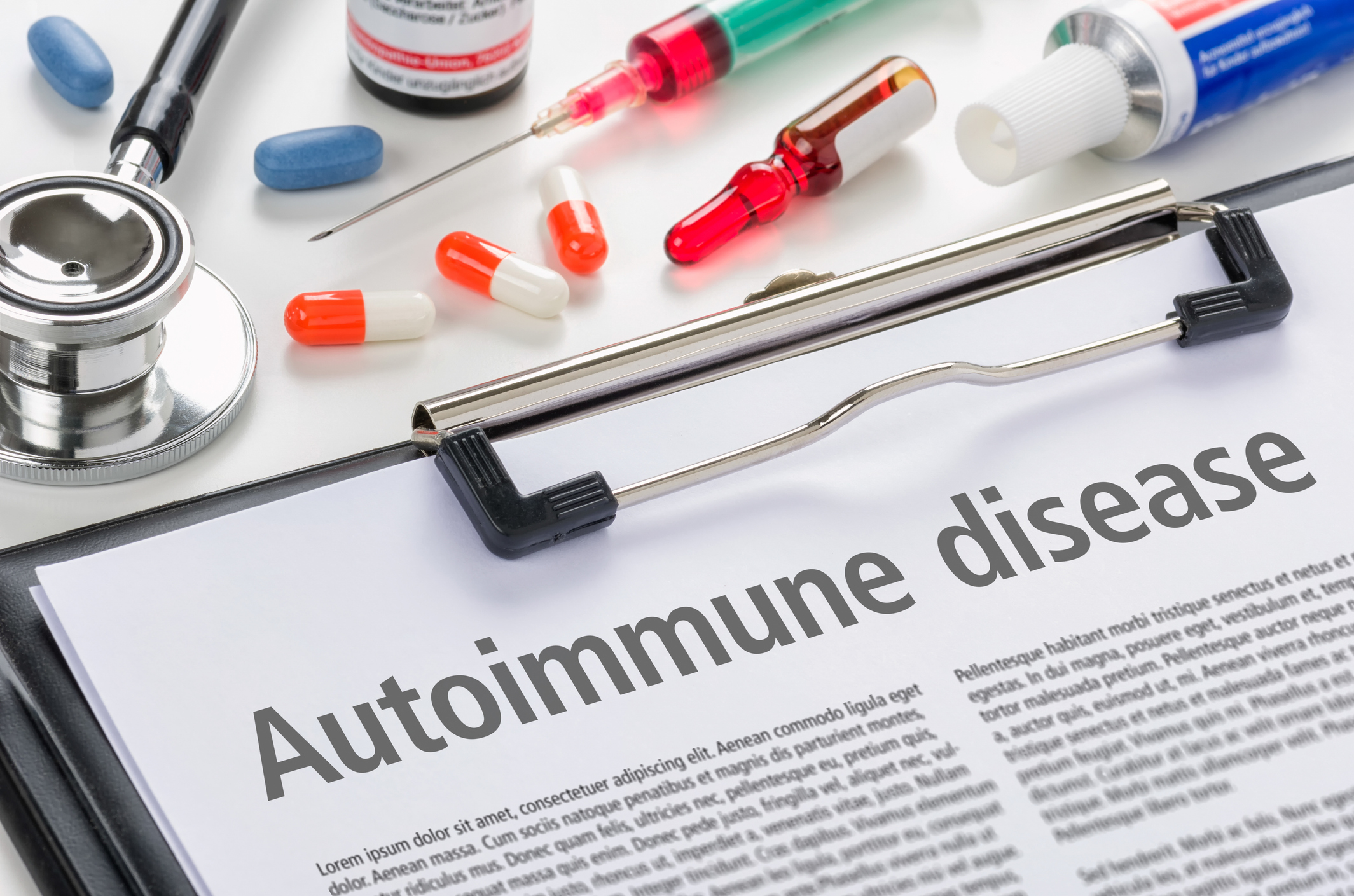
Autoimmune diseases are a group of disorders where the immune system mistakenly attacks the body’s own cells and tissues. These conditions can affect various body parts and result in a wide range of symptoms. Understanding autoimmune diseases, their causes, symptoms, and treatment options is crucial for managing these complex disorders.
What is an Autoimmune Disease?
The immune system is designed to protect the body from infections and diseases by attacking foreign invaders like bacteria and viruses. In autoimmune diseases, however, the immune system fails to distinguish between foreign invaders and the body’s own cells. This misidentification leads to the immune system attacking healthy tissues, causing inflammation and damage.
Common Autoimmune Diseases
There are over 80 known autoimmune diseases, some of which are more prevalent than others. Here are a few common ones:
- Rheumatoid Arthritis (RA): RA primarily affects the joints, causing pain, swelling, and stiffness. Over time, it can lead to joint deformity and loss of function.
- Systemic Lupus Erythematosus (SLE): Lupus can affect multiple organs, including the skin, joints, kidneys, and brain. Symptoms often include fatigue, joint pain, and a butterfly-shaped rash on the face.
- Type 1 Diabetes: In this condition, the immune system attacks insulin-producing cells in the pancreas, leading to high blood sugar levels. This requires lifelong insulin therapy.
- Multiple Sclerosis (MS): MS affects the central nervous system by damaging the protective covering of nerve fibers, leading to communication problems between the brain and the rest of the body.
- Celiac Disease: An immune response to gluten, a protein found in wheat, barley, and rye, causing damage to the small intestine and leading to digestive issues and nutrient malabsorption.
Causes of Autoimmune Diseases
The exact cause of autoimmune diseases is not fully understood, but several factors are believed to contribute to their development:
- Genetics: Family history plays a significant role. Certain genes may make individuals more susceptible to autoimmune diseases.
- Environmental Triggers: Infections, exposure to certain chemicals, and even stress can trigger autoimmune responses in genetically predisposed individuals.
- Hormones: Women are more likely to develop autoimmune diseases than men, suggesting that hormones may play a role in the development of these conditions.
- Diet and Lifestyle: Diet, exercise, and other lifestyle factors can influence the immune system and may contribute to the development of autoimmune diseases.
Symptoms of Autoimmune Diseases
Symptoms vary widely depending on the specific disease and the part of the body affected. However, some common symptoms include:
- Fatigue
- Joint pain and swelling
- Skin rashes
- Abdominal pain or digestive issues
- Fever
- Swollen glands
Because symptoms can be similar to those of other conditions, autoimmune diseases can be challenging to diagnose. It’s essential to consult a healthcare professional if you experience persistent or unusual symptoms.
Diagnosing Autoimmune Diseases
Diagnosing autoimmune diseases typically involves a combination of the following:
- Medical History and Physical Exam: A detailed medical history and thorough physical examination can provide essential clues.
- Laboratory Tests: Blood tests can detect specific autoantibodies, which are markers of autoimmune activity. Common tests include ANA (antinuclear antibody) and RF (rheumatoid factor).
- Imaging Studies: X-rays, MRIs, and ultrasounds can help assess the extent of damage to organs and tissues.
- Biopsy: In some cases, a tissue biopsy may be necessary to confirm a diagnosis.
Treatment Options
While there is no cure for autoimmune diseases, various treatments can help manage symptoms and improve quality of life. Treatment plans are often tailored to the individual and may include:
- Medications:
- Anti-inflammatory Drugs: These medications reduce inflammation and relieve pain. Examples include NSAIDs (nonsteroidal anti-inflammatory drugs) like ibuprofen.
- Immunosuppressants: These drugs suppress the immune system’s activity to prevent it from attacking the body. Examples include methotrexate and azathioprine.
- Biologics: These are advanced drugs that target specific components of the immune system. Examples include TNF inhibitors and monoclonal antibodies.
- Lifestyle Changes:
- Diet: A balanced diet rich in fruits, vegetables, whole grains, and lean proteins can support overall health and reduce inflammation. Some individuals may benefit from avoiding specific triggers like gluten or dairy.
- Exercise: Regular physical activity can help reduce fatigue, improve mood, and maintain joint function.
- Stress Management: Techniques such as meditation, yoga, and mindfulness can help manage stress, which can exacerbate symptoms.
- Alternative Therapies:
- Acupuncture: Some individuals find relief from symptoms through acupuncture, which involves inserting thin needles into specific points on the body.
- Herbal Remedies: Certain herbs and supplements, such as turmeric and omega-3 fatty acids, may have anti-inflammatory properties.
Living with an Autoimmune Disease
Managing an autoimmune disease often requires a multifaceted approach and a commitment to long-term lifestyle changes. Here are some tips for living with an autoimmune disease:
- Educate Yourself: Understanding your condition can empower you to make informed decisions about your health and treatment options.
- Build a Support Network: Connecting with others who have similar experiences can provide emotional support and practical advice.
- Work with Your Healthcare Team: Regular check-ups and open communication with your healthcare providers are crucial for managing your condition effectively.
- Stay Positive: Maintaining a positive outlook and setting realistic goals can improve your quality of life and help you cope with the challenges of an autoimmune disease.
Future Research and Hope
Ongoing research is crucial for improving the understanding and treatment of autoimmune diseases. Scientists are exploring various avenues, including:
- Genetics: Understanding the genetic basis of autoimmune diseases can lead to better-targeted treatments and preventive strategies.
- Microbiome: The role of gut bacteria in immune system regulation is a promising area of research. Modifying the gut microbiome through diet or probiotics may offer new treatment options.
- Immunotherapy: Advances in immunotherapy are leading to the development of more precise and effective treatments for autoimmune diseases.
Conclusion
Autoimmune diseases are complex and often challenging to manage, but with the right treatment and support, individuals can lead fulfilling lives. By staying informed, working closely with healthcare providers, and adopting healthy lifestyle habits, it’s possible to manage symptoms and improve quality of life effectively.
Understanding autoimmune diseases, their causes, symptoms, and treatment options is the first step toward managing these conditions effectively. Continued research and advances in medicine offer hope for better treatments and, eventually, cures for autoimmune diseases.
By raising awareness and promoting understanding, we can support those living with autoimmune diseases and contribute to a future where these conditions are better managed, if not eradicated. If you suspect you have an autoimmune disease, seek medical advice promptly to get an accurate diagnosis and appropriate treatment plan tailored to your needs.
You might be interested in diving deeper into the world of autoimmune diseases. Speaking of autoimmune disorders, you might find it enlightening to explore the intricate details of Autoimmune Diseases. Additionally, understanding how the immune system works is key, so be sure to check out the article on the Immune System. If you’re curious about specific conditions, the article on Multiple Sclerosis provides insights into one of the more common autoimmune diseases. Lastly, for a broader perspective on chronic conditions, you might want to read about Chronic Diseases in general. These resources can enhance your understanding and provide valuable information as you navigate through these complex health issues.
Alzheimer’s Disease: Causes, Symptoms, and Treatment 4 min read
Blog

Alzheimer’s Overview
Alzheimer’s disease is a progressive neurodegenerative disorder that primarily affects older adults, leading to cognitive decline, memory loss and a loss of the ability to perform daily activities. It is the most common cause of dementia, accounting for 60-80% of cases. Understanding Alzheimer’s disease, its causes, symptoms and treatment options is crucial for patients, caregivers and healthcare professionals. This comprehensive guide aims to provide a detailed overview of Alzheimer’s disease, offering valuable insights into its management and prevention.
What is Alzheimer’s Disease?
This brain disorder is characterized by the gradual destruction of brain cells, leading to significant impairments in memory, thinking, and behavior. The disease progresses in stages, starting with mild memory problems and advancing to severe cognitive impairment and loss of functional abilities.
Causes and Risk Factors
The exact cause of Alzheimer’s disease is not fully understood, but it is believed to result from a combination of genetic, environmental, and lifestyle factors. Key contributors include:
- Genetic Factors: Family history plays a significant role in the risk of developing Alzheimer’s. Specific genes, such as the APOE-e4 allele, have been linked to an increased risk.
- Age: The risk of Alzheimer’s increases with age, particularly after the age of 65.
- Lifestyle Factors: Poor cardiovascular health, lack of physical activity, unhealthy diet, and smoking are associated with a higher risk.
- Medical Conditions: Conditions such as diabetes, hypertension, and high cholesterol may contribute to the development of Alzheimer’s.
Symptoms of Alzheimer’s Disease
Symptoms typically develop slowly and worsen over time. They are generally categorized into three stages: mild, moderate, and severe.
Mild Alzheimer’s Disease
- Memory Loss: Difficulty remembering recent events, names, or conversations.
- Confusion: Problems with time and place orientation.
- Language Issues: Struggling to find the right words.
- Difficulty Performing Tasks: Challenges in completing familiar tasks.
Moderate Alzheimer’s Disease
- Increased Memory Loss: Greater difficulty recalling personal history and significant events.
- Behavioral Changes: Mood swings, irritability, and aggression.
- Sleep Disturbances: Problems with sleeping and changes in sleep patterns.
- Wandering and Getting Lost: Increased tendency to wander and become lost.
Severe Alzheimer’s Disease
- Loss of Independence: Inability to perform daily activities without assistance.
- Severe Memory Loss: Inability to recognize family members and close friends.
- Physical Decline: Difficulty walking, swallowing, and controlling bodily functions.
- Loss of Communication: Inability to speak or make sense of language.
Diagnosis of Alzheimer’s Disease
Diagnosing Alzheimer’s disease involves a comprehensive evaluation, including medical history, physical examination, cognitive tests, and imaging studies. Key diagnostic tools include:
- Cognitive and Neuropsychological Tests: Assess memory, problem-solving abilities, attention, and language skills.
- Brain Imaging: MRI and CT scans can reveal brain changes and rule out other conditions.
- Laboratory Tests: Blood tests can help rule out other causes of dementia symptoms.
- Neurological Examination: Evaluates reflexes, muscle tone, and coordination.
Treatment and Management
While there is no cure for Alzheimer’s disease, various treatments can help manage symptoms and improve quality of life. These include medications, lifestyle changes, and supportive care.
Medications
- Cholinesterase Inhibitors: Drugs like donepezil, rivastigmine, and galantamine can help improve cognitive function by increasing levels of acetylcholine in the brain.
- Memantine: This medication helps regulate glutamate activity and can improve symptoms in moderate to severe Alzheimer’s.
- Antidepressants and Antipsychotics: Used to manage behavioral symptoms such as depression, anxiety, and aggression.
Lifestyle Changes
- Regular Physical Activity: Exercise can improve cardiovascular health and may slow cognitive decline.
- Healthy Diet: A diet rich in fruits, vegetables, whole grains, and lean proteins can support brain health.
- Mental Stimulation: Activities like reading, puzzles, and social engagement can help maintain cognitive function.
- Sleep Hygiene: Establishing a regular sleep routine and addressing sleep disorders can improve overall well-being.
Supportive Care
- Caregiving Support: Providing education and resources for caregivers to manage the challenges of caring for someone with Alzheimer’s.
- Safety Measures: Implementing safety modifications at home to prevent accidents and wandering.
- Therapies: Occupational, speech, and physical therapies can help maintain functional abilities and communication.
Prevention and Research
While there is no guaranteed way to prevent Alzheimer’s disease, certain strategies may reduce the risk:
- Healthy Lifestyle: Adopting a heart-healthy diet, regular exercise, and avoiding smoking.
- Cognitive Training: Engaging in activities that challenge the brain, such as learning new skills or languages.
- Social Engagement: Maintaining strong social connections and participating in group activities.
- Management of Chronic Conditions: Controlling diabetes, hypertension, and high cholesterol through medical treatment and lifestyle changes.
Ongoing Research
Research into Alzheimer’s disease is ongoing, with scientists exploring various avenues to understand the disease better and develop new treatments. Key areas of research include:
- Biomarkers: Identifying biological markers that can detect Alzheimer’s early and monitor its progression.
- Genetics: Studying the genetic factors that contribute to Alzheimer’s to develop targeted therapies.
- New Medications: Developing drugs that can slow or halt the progression of the disease.
- Lifestyle Interventions: Investigating the impact of diet, exercise, and cognitive training on Alzheimer’s risk and progression.
Supporting Those with Alzheimer’s Disease
Supporting individuals with Alzheimer’s disease requires a compassionate and comprehensive approach. Here are some key strategies:
- Educate Yourself: Learn about Alzheimer’s disease to understand the challenges faced by those affected and their caregivers.
- Provide Emotional Support: Offer empathy, patience, and understanding to those with Alzheimer’s and their families.
- Promote Engagement: Encourage activities that stimulate the mind and body, such as hobbies, exercise, and social interaction.
- Seek Professional Help: Utilize resources such as support groups, counseling, and respite care services for both patients and caregivers.
- Advocate for Research: Support organizations and initiatives that fund research into Alzheimer’s disease and advocate for policies that improve care and support for those affected.
Conclusion
Alzheimer’s disease is a complex and challenging condition that impacts millions of individuals and their families worldwide. While there is currently no cure, understanding the disease, recognizing its symptoms, and exploring available treatments can help manage its progression and improve the quality of life for those affected. By staying informed and proactive, we can support ongoing research efforts and work towards a future where Alzheimer’s disease can be effectively prevented and treated.
For those living with Alzheimer’s disease and their caregivers, it’s essential to seek support, stay informed about new developments, and prioritize self-care. Through collective efforts and continued advancements in research, there is hope for better management and, ultimately, a cure for Alzheimer’s disease.
You might be interested in exploring more about related topics that can enhance your understanding of Alzheimer’s disease and its management. For instance, if you’re curious about the underlying mechanisms of this complex condition, you can read more about neurodegeneration. Additionally, learning about dementia can provide valuable context, as Alzheimer’s is the most common cause. If you’re wondering about the various treatment options available, check out the details on cholinesterase inhibitors, a class of medications often prescribed to help manage symptoms. These resources can further aid in your journey to understand and navigate the complexities of Alzheimer’s disease.