The Science Behind Berberine: Unveiling Its Natural Health Benefits 2 min read

Blog
Let Me Tell You About Berberine—and Why It’s a Game-Changer for Weight Loss
Okay, so you’ve probably heard about Berberine being used for weight loss buzzing around the health world, right? It’s not just hype—this stuff is the real deal. It’s natural, backed by science, and helps with everything from weight management to heart health. Let me break it down for you in a way that actually makes sense.
What Exactly is Berberine?
Berberine is this awesome natural compound that comes from plants—mostly shrubs from the Berberis family (think traditional medicine vibes). People have been using it for centuries in Chinese and Ayurvedic medicine, but now researchers are diving in and realizing just how powerful it really is.

Why Berberine Is So Good for You
1. Helps with Weight Management
Berberine is like your metabolism’s BFF. It activates this enzyme called AMPK (basically the “energy booster” in your body), which helps burn sugar and fat more efficiently. It’s a natural way to get your body working smarter, not harder.
2. Keeps Your Heart Happy
If heart health is on your radar, Berberine has you covered. Here’s what it does:
- Lowers “bad” LDL cholesterol and triglycerides.
- Supports healthy blood pressure.
- Keeps your heart functioning smoothly.
It’s like a gentle nudge in the right direction without all the synthetic stuff.
3. Regulates Blood Sugar
This one’s huge. Berberine helps balance your blood sugar by improving how your body uses insulin and processes glucose. If you’re looking for steady energy and fewer sugar crashes, this is your go-to.

What Makes Berberine Elite Special?
Not all Berberine is created equal. Berberine Elite steps things up with its 5x absorption formula. Why does that matter? Regular Berberine can be tough for your body to absorb, but this formula makes sure you’re actually getting the benefits. Think faster results and more bang for your buck.
Why Go Natural with Berberine Elite For Weight Loss?
Let’s be real—there are so many synthetic options out there with weird additives and potential side effects. Berberine Elite keeps weight loss simple and clean, combining traditional plant-based wisdom with modern science. It’s safe, effective, and fits right into your wellness goals.
Ready to Give It a Try?
If you’re curious (and you should be), Berberine Elite is your ticket to better energy, heart health, and balanced blood sugar—all in one little supplement.
Oh, and here’s a bonus: use the code WELCOME10 for a sweet discount on your first order.
👉 Click here to learn more and get started with Berberine Elite today.


Understanding Leaky Gut 7 min read

Blog
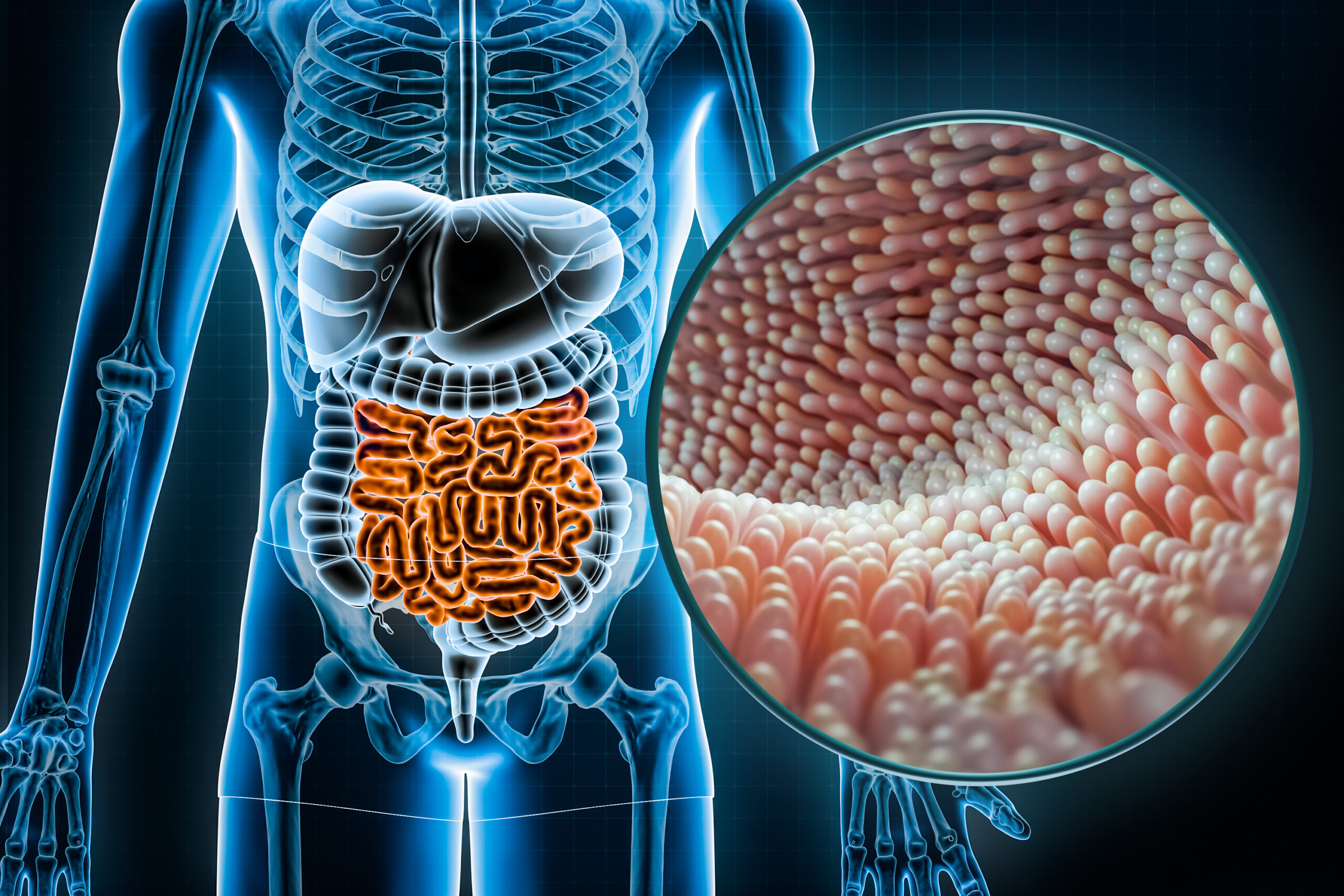
Recently, understanding leaky gut has gained significant attention in the health and wellness community. This condition, known scientifically as increased intestinal permeability, is believed to be a root cause of various chronic health issues. This blog post will explore understanding a leaky gut, its symptoms, potential causes, and effective solutions. By the end, you’ll have a comprehensive understanding of this condition and how to take steps towards better gut health.
What is Leaky Gut?
Leaky gut occurs when the small intestine’s lining becomes damaged, causing undigested food particles, toxins, and bacteria to “leak” through the intestines and enter the bloodstream. This leakage triggers an immune response, leading to inflammation and a host of other health problems. The intestinal lining is naturally permeable to allow for the absorption of nutrients. However, in a healthy gut, this permeability is tightly regulated. When this regulation fails, it can lead to leaky gut syndrome.
Symptoms
The symptoms of leaky gut can be varied and often overlap with other conditions, making it challenging to diagnose. Common symptoms include:
- Digestive issues: Bloating, gas, diarrhea, or irritable bowel syndrome (IBS).
- Food sensitivities: An increase in food allergies or intolerances.
- Chronic fatigue: Feeling tired despite adequate rest.
- Skin problems: Conditions like eczema, acne, or rashes.
- Autoimmune conditions: An overactive immune response leading to diseases like rheumatoid arthritis, lupus, and celiac disease.
- Mood disorders: Anxiety, depression, and other mood-related issues.
- Joint pain: Unexplained joint pain or inflammation.
Causes
Understanding the root causes of leaky gut is crucial for effective treatment and prevention. Several factors can contribute to the development of leaky gut syndrome, including:
- Poor Diet
- Diets high in refined sugars, processed foods, and unhealthy fats can disrupt the gut microbiome and damage the intestinal lining.
- Excessive alcohol consumption and diets low in fiber can also contribute to gut permeability.
- Chronic Stress
- Persistent stress affects the body’s ability to regulate gut function, leading to inflammation and increased permeability.
- Medications
- Long-term use of non-steroidal anti-inflammatory drugs (NSAIDs), antibiotics, and certain medications can harm the gut lining.
- Infections
- Gut infections caused by bacteria, viruses, or parasites can damage the intestinal wall.
- Dysbiosis
- An imbalance in the gut microbiome, where harmful bacteria outnumber beneficial bacteria, can lead to increased gut permeability.
- Environmental Toxins
- Exposure to environmental toxins, such as pesticides, can negatively impact gut health.
Diagnosing Leaky Gut
Diagnosing leaky gut can be challenging, as its symptoms often overlap with other conditions. However, several tests can help identify increased intestinal permeability:
- Zonulin Testing: Zonulin is a protein that regulates intestinal permeability. Elevated levels of zonulin in the blood can indicate a leaky gut.
- Lactulose-Mannitol Test: This test measures the absorption of two non-metabolizable sugars, lactulose and mannitol, to assess intestinal permeability.
- Food Sensitivity Testing: Identifying food sensitivities can help pinpoint underlying gut issues.
Solutions for Leaky Gut
Addressing leaky gut involves a multifaceted approach that includes dietary changes, lifestyle modifications, and targeted supplementation. Here are some effective strategies:
1. Dietary Changes
- Eliminate Trigger Foods: Remove foods that can irritate the gut, such as gluten, dairy, refined sugars, and processed foods.
- Adopt an Anti-Inflammatory Diet: Focus on whole, nutrient-dense foods like fruits, vegetables, lean proteins, and healthy fats. Foods rich in omega-3 fatty acids, such as fish and flaxseed, can help reduce inflammation.
- Incorporate Fermented Foods: Fermented foods like yogurt, kefir, sauerkraut, and kimchi can support a healthy gut microbiome.
- Increase Fiber Intake: Fiber-rich foods like vegetables, fruits, legumes, and whole grains promote healthy digestion and regular bowel movements.
2. Lifestyle Modifications
- Manage Stress: Practice stress-reducing techniques such as meditation, yoga, deep breathing exercises, and regular physical activity.
- Get Adequate Sleep: Aim for 7-9 hours of quality sleep per night to support overall health and gut function.
- Stay Hydrated: Drink plenty of water throughout the day to support digestion and overall health.
- Exercise Regularly: Engage in regular physical activity to promote a healthy gut and overall well-being.
3. Targeted Supplementation
- Probiotics: Probiotics can help restore the balance of beneficial bacteria in the gut. Look for high-quality probiotic supplements with diverse strains.
- L-Glutamine: This amino acid supports the integrity of the intestinal lining and can help repair gut damage.
- Digestive Enzymes: Digestive enzyme supplements can aid in the breakdown and absorption of nutrients, reducing the burden on the gut.
- Omega-3 Fatty Acids: Omega-3 supplements can help reduce inflammation and support gut health.
- Herbal Remedies: Certain herbs, such as slippery elm, marshmallow root, and aloe vera, can soothe and heal the gut lining.
Preventing Leaky Gut
Prevention is always better than cure. To maintain a healthy gut and prevent leaky gut syndrome, consider these tips:
- Maintain a Balanced Diet: Focus on whole, unprocessed foods and avoid excessive consumption of sugars and unhealthy fats.
- Support Gut Health: Regularly consume fermented foods and consider taking probiotic supplements to maintain a healthy gut microbiome.
- Manage Stress: Incorporate stress management techniques into your daily routine to reduce the impact of chronic stress on your gut.
- Be Mindful of Medications: Use medications only as prescribed and discuss potential gut-related side effects with your healthcare provider.
- Stay Active: Engage in regular physical activity to support overall health and gut function.
The Role of the Gut Microbiome
The gut microbiome, consisting of trillions of microorganisms living in the digestive tract, plays a crucial role in maintaining gut health. A balanced microbiome supports digestion, nutrient absorption, and immune function. Dysbiosis, an imbalance in the gut microbiome, is a significant factor in the development of leaky gut.
Understanding Dysbiosis
Dysbiosis occurs when harmful bacteria outnumber beneficial bacteria in the gut. This imbalance can result from poor diet, chronic stress, antibiotic use, and other factors. Dysbiosis can lead to increased gut permeability, inflammation, and a range of health issues.
Supporting a Healthy Microbiome
To support a healthy gut microbiome:
- Eat a Diverse Diet: Consuming a variety of foods, particularly fruits and vegetables, can promote microbial diversity.
- Include Prebiotics: Prebiotics are non-digestible fibers that feed beneficial gut bacteria. Foods like garlic, onions, bananas, and asparagus are rich in prebiotics.
- Consider Probiotics: Probiotics introduce beneficial bacteria to the gut. Foods like yogurt, kefir, and fermented vegetables are excellent sources of probiotics.
- Limit Antibiotic Use: Use antibiotics only when necessary, as they can disrupt the gut microbiome.
Leaky Gut and Autoimmune Diseases
There is a growing body of evidence suggesting a link between leaky gut and autoimmune diseases. Autoimmune diseases occur when the immune system mistakenly attacks the body’s own tissues. Examples include rheumatoid arthritis, lupus, and multiple sclerosis.
The Connection
When the gut becomes permeable, foreign substances like toxins and undigested food particles can enter the bloodstream. The immune system may recognize these substances as threats and launch an attack, leading to chronic inflammation. In susceptible individuals, this immune response can target the body’s own tissues, potentially triggering autoimmune diseases.
Managing Autoimmune Diseases
If you have an autoimmune disease, managing leaky gut can be an essential part of your treatment plan. By healing the gut, you can reduce inflammation and support overall health. Work with a healthcare professional to develop a comprehensive plan that addresses your specific needs.
The Impact of Leaky Gut on Mental Health
The gut-brain connection is a well-established concept in the field of health. The gut and brain communicate through the gut-brain axis, a complex network of neurons, hormones, and other signaling molecules. This connection means that gut health can significantly impact mental health.
Leaky Gut and Mood Disorders
Research suggests that leaky gut may contribute to mood disorders like anxiety and depression. Inflammation caused by increased intestinal permeability can affect brain function and mood. Additionally, an imbalance in the gut microbiome can influence the production of neurotransmitters like serotonin, which play a critical role in regulating mood.
Supporting Mental Health Through Gut Health
Improving gut health can have positive effects on mental health. Strategies include:
- Adopting a Gut-Friendly Diet: A diet rich in whole foods, fiber, and fermented foods can support gut health and, by extension, mental health.
- Managing Stress: Chronic stress can negatively impact both gut and mental health. Techniques like meditation, yoga, and deep breathing exercises can help manage stress.
- Prioritizing Sleep: Quality sleep is essential for both gut and mental health. Aim for 7-9 hours of sleep per night and establish a consistent sleep routine.
Leaky Gut and Skin Health
The gut-skin connection is another important aspect of overall health. Skin conditions like eczema, acne, and psoriasis have been linked to gut health. When the gut is compromised, it can lead to inflammation and other issues that manifest in the skin.
How Leaky Gut Affects the Skin
Leaky gut can lead to systemic inflammation, which may exacerbate skin conditions. Additionally, an imbalanced gut microbiome can influence the skin microbiome, potentially leading to skin issues.
Supporting Skin Health Through Gut Health
Improving gut health can have positive effects on skin health. Strategies include:
- Adopting a Skin-Friendly Diet: Foods rich in antioxidants, vitamins, and healthy fats can support both gut and skin health. Examples include berries, leafy greens, and fatty fish.
- Staying Hydrated: Adequate hydration is essential for healthy skin and overall well-being.
- Avoiding Trigger Foods: Identify and avoid foods that may trigger skin issues, such as dairy, gluten, and refined sugars.
Leaky Gut in Children
Leaky gut can also affect children, leading to various health issues. Symptoms in children may include digestive problems, food sensitivities, skin conditions, and behavioral issues.
Causes in Children
The causes of leaky gut in children are similar to those in adults and may include poor diet, stress, infections, and antibiotic use.
Supporting Gut Health in Children
Supporting gut health in children involves:
- Providing a Balanced Diet: Focus on whole, nutrient-dense foods and limit processed foods and sugars.
- Encouraging a Healthy Lifestyle: Ensure children get regular physical activity and adequate sleep.
- Considering Probiotics: Probiotic supplements or probiotic-rich foods can support a healthy gut microbiome in children.
Working with Healthcare Professionals
If you suspect you have leaky gut or are experiencing persistent health issues, consult with a healthcare professional for personalized guidance and support. A comprehensive approach that includes dietary changes, lifestyle modifications, and targeted supplementation can help heal the gut and prevent future issues.
Conclusion
Leaky gut is a condition that can have far-reaching effects on overall health. By understanding its symptoms, causes, and effective solutions, you can take proactive steps towards improving your gut health. A holistic approach that includes dietary changes, lifestyle modifications, and targeted supplementation can help heal the gut and prevent future issues. Remember, a healthy gut is the foundation of overall well-being.
If you suspect you have a leaky gut or are experiencing persistent health issues, consult with a healthcare professional for personalized guidance and support. By prioritizing your gut health, you can enhance your quality of life and achieve optimal wellness.
Speaking of gut health, you might be interested in exploring the intricacies of the gut microbiome, which plays a vital role in digestion and overall well-being. Additionally, learning about intestinal permeability can provide further insight into conditions like leaky gut. Lastly, understanding dysbiosis may help you grasp how imbalances in gut bacteria can affect your health. These resources can deepen your knowledge as you take steps towards better gut health!
Understanding SIBO, the Microbiome and Gut Health 4 min read
Blog
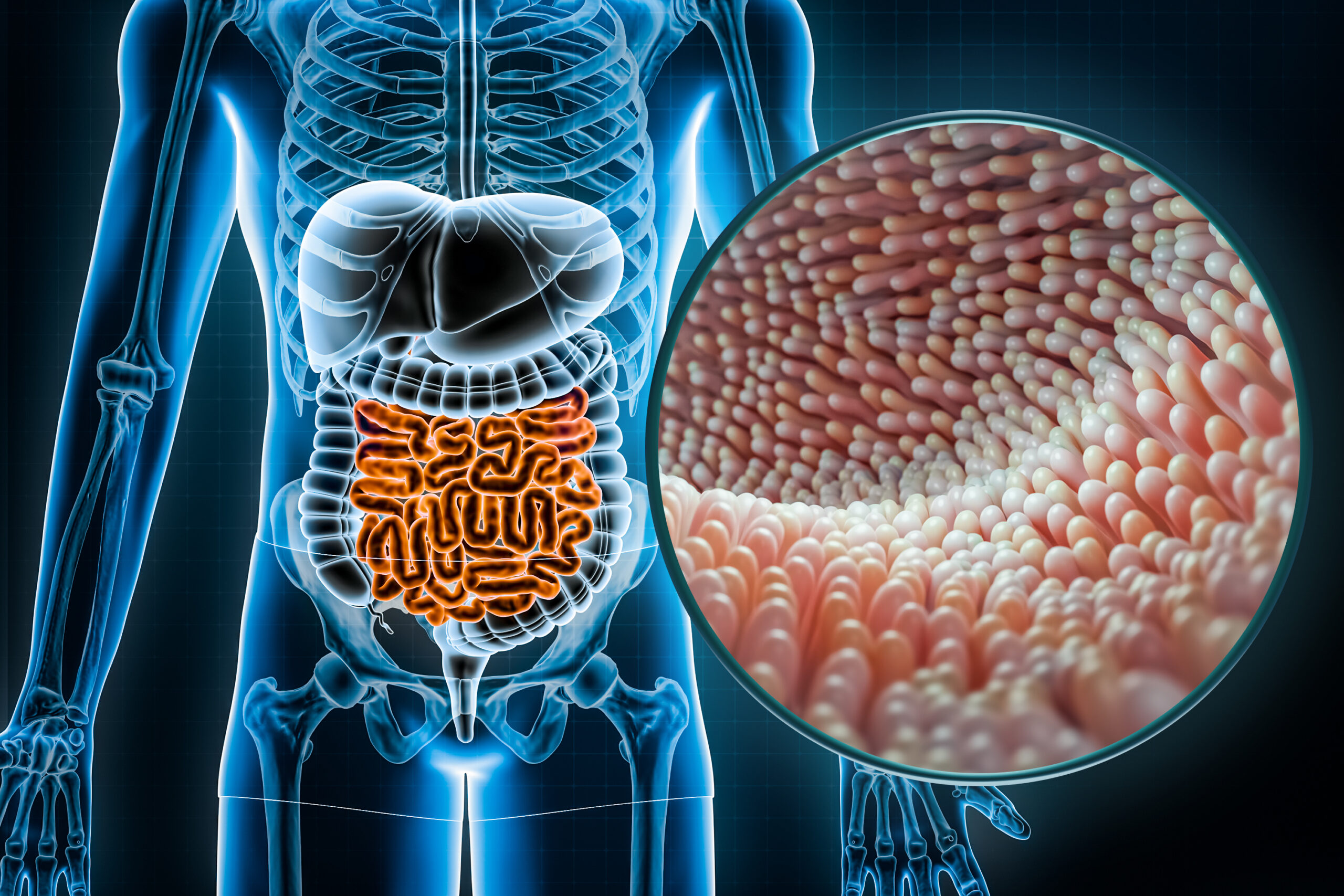
In recent years, gut health and the microbiome have gained significant attention in the wellness community. One condition that frequently comes up in discussions about gut health is Small Intestinal Bacterial Overgrowth (SIBO). This comprehensive guide will delve into understanding SIBO, how it relates to the microbiome, and why maintaining gut health is essential for overall well-being.
What is SIBO?
Small Intestinal Bacterial Overgrowth (SIBO) occurs when there is an abnormal increase in the number of bacteria in the small intestine. Unlike the large intestine, which is home to a vast number of bacteria, the small intestine typically has relatively few. This overgrowth can lead to various symptoms, including:
- Abdominal pain and cramping
- Bloating and distension
- Diarrhea or constipation
- Gas and belching
- Unintentional weight loss
- Nutrient deficiencies, especially fat-soluble vitamins (A, D, E, K) and vitamin B12
Understanding What Causes SIBO
Several factors can contribute to the development of SIBO over time, such as:
- Structural abnormalities: Conditions like diverticulosis or strictures in the small intestine can create pockets where bacteria can accumulate.
- Motility disorders: Diseases that affect gut motility, such as irritable bowel syndrome (IBS) or diabetes, can slow the movement of food and bacteria through the intestines, leading to overgrowth.
- Immune system deficiencies: A weakened immune system can impair the body’s ability to control bacterial populations.
- Medications: Long-term use of proton pump inhibitors (PPIs) or antibiotics can disrupt the average balance of gut bacteria, contributing to SIBO.
What is the Microbiome, and What Does it Do?
The microbiome refers to the trillions of microorganisms, including bacteria, viruses, fungi, and other microbes, that inhabit various parts of the human body, with the gut microbiome being the most densely populated. These microorganisms are crucial in numerous bodily functions, including digestion, immune response, and mood regulation.
The gut microbiome is essential for maintaining gut health and overall wellness. It helps break down complex carbohydrates, synthesizes essential vitamins, and protects against pathogenic bacteria. A healthy and diverse microbiome is associated with improved digestion, enhanced immune function, and a lower risk of chronic diseases. Many people first notice dysbiosis and then visit their doctor.
So, What is Dysbiosis?
Dysbiosis is an imbalance in the gut microbiome that can lead to health issues. Factors such as poor diet, stress, lack of sleep, and overuse of antibiotics can disrupt the balance of gut bacteria. Symptoms of dysbiosis can range from digestive problems and fatigue to more serious conditions like autoimmune diseases and mental health disorders.
How Does SIBO Affect the Microbiome?
SIBO can significantly disrupt the balance of the gut microbiome because the overgrowth of bacteria in the small intestine can interfere with nutrient absorption and lead to malnutrition. Additionally, these bacteria can produce toxins and gases that irritate the intestinal lining, causing inflammation and further disrupting gut health.
Understanding How SIBO is Diagnosed?
SIBO is typically diagnosed through breath tests that measure the levels of hydrogen and methane gases produced by bacteria in the small intestine. Other diagnostic methods include small intestine aspirate and fluid culture, though these are less commonly used due to their invasive nature.
What is the Treatment for SIBO?
Treatment for SIBO often involves a combination of antibiotics to reduce bacterial overgrowth, dietary changes to limit the bacteria’s food supply, and probiotics to restore a healthy balance in the gut microbiome. Common antibiotics used include rifaximin and metronidazole. Dietary approaches such as the low FODMAP diet can help manage symptoms by reducing fermentable carbohydrates that bacteria feed on.
Now that you understand SIBO better, here are some tips to improve your gut health!
Diet and Nutrition
A balanced diet rich in fiber, prebiotics, and probiotics can support a healthy gut microbiome. Here are some key dietary tips:
- Consume a variety of plant-based foods: A diverse diet helps promote a diverse microbiome.
- Include fermented foods: Yogurt, kefir, sauerkraut, and kimchi are excellent sources of probiotics.
- Increase fiber intake: Foods like fruits, vegetables, legumes, and whole grains provide essential prebiotics that feed beneficial gut bacteria.
- Stay hydrated: Adequate water intake is essential for maintaining healthy digestion.
Lifestyle Changes
In addition to dietary modifications, certain lifestyle changes can support gut health:
- Exercise regularly: Physical activity can positively influence the composition of gut bacteria.
- Manage stress: Chronic stress can negatively impact the gut microbiome and lead to dysbiosis.
- Get enough sleep: Poor sleep quality is linked to an imbalance in gut bacteria.
Avoiding Gut Disruptors
To maintain a healthy gut microbiome, it’s essential to minimize factors that can disrupt its balance:
- Limit antibiotic use: Only use antibiotics when necessary and follow the prescribed course.
- Reduce intake of processed foods: Highly processed foods can negatively affect gut bacteria.
- Avoid excessive alcohol consumption: Alcohol can alter the gut microbiome and increase the risk of dysbiosis.
What is the future of gut health research? The gut microbiome is rapidly advancing, revealing new insights into its role in health and disease. Scientists are exploring the potential of microbiome-based therapies, such as fecal microbiota transplantation (FMT) and personalized probiotics, to treat various conditions.
Understanding SIBO, the Microbiome and Chronic Diseases
Emerging evidence suggests that an imbalanced microbiome may contribute to the development of chronic diseases such as obesity, diabetes, cardiovascular disease, and even certain cancers. Understanding these connections could lead to innovative treatments and preventive strategies.
Personalized Nutrition and Gut Health
The concept of personalized nutrition, tailored to an individual’s unique microbiome composition, is gaining traction. Researchers hope to develop customized dietary recommendations that optimize gut health and overall well-being by analyzing a person’s microbiome.
Conclusion
SIBO, the microbiome, and gut health interplay is complex and multifaceted. SIBO can significantly disrupt the delicate balance of the gut microbiome, leading to a range of health issues. However, individuals can take proactive steps to support their gut health and overall wellness by adopting a healthy diet, making lifestyle changes, and staying informed about the latest research.
As our understanding of the microbiome continues to evolve, so will our ability to harness its potential for improving health and preventing disease. We can pave the way for a healthier future by prioritizing gut health.
You might be interested in exploring more about the fascinating world of gut health and its intricate connections to our overall well-being. Speaking of the microbiome, you might find it intriguing to read about the Microbiome, which plays a crucial role in our digestive processes. Additionally, if you’re keen to learn about the common digestive issues that can arise, take a look at Small Intestinal Bacterial Overgrowth (SIBO), a condition that can disrupt this delicate balance. Lastly, understanding Gut Flora can provide deeper insights into how various bacteria in our digestive system contribute to our health. Each of these topics offers a wealth of information that can enhance your knowledge about maintaining a healthy gut!