Understanding Leaky Gut 7 min read

Blog
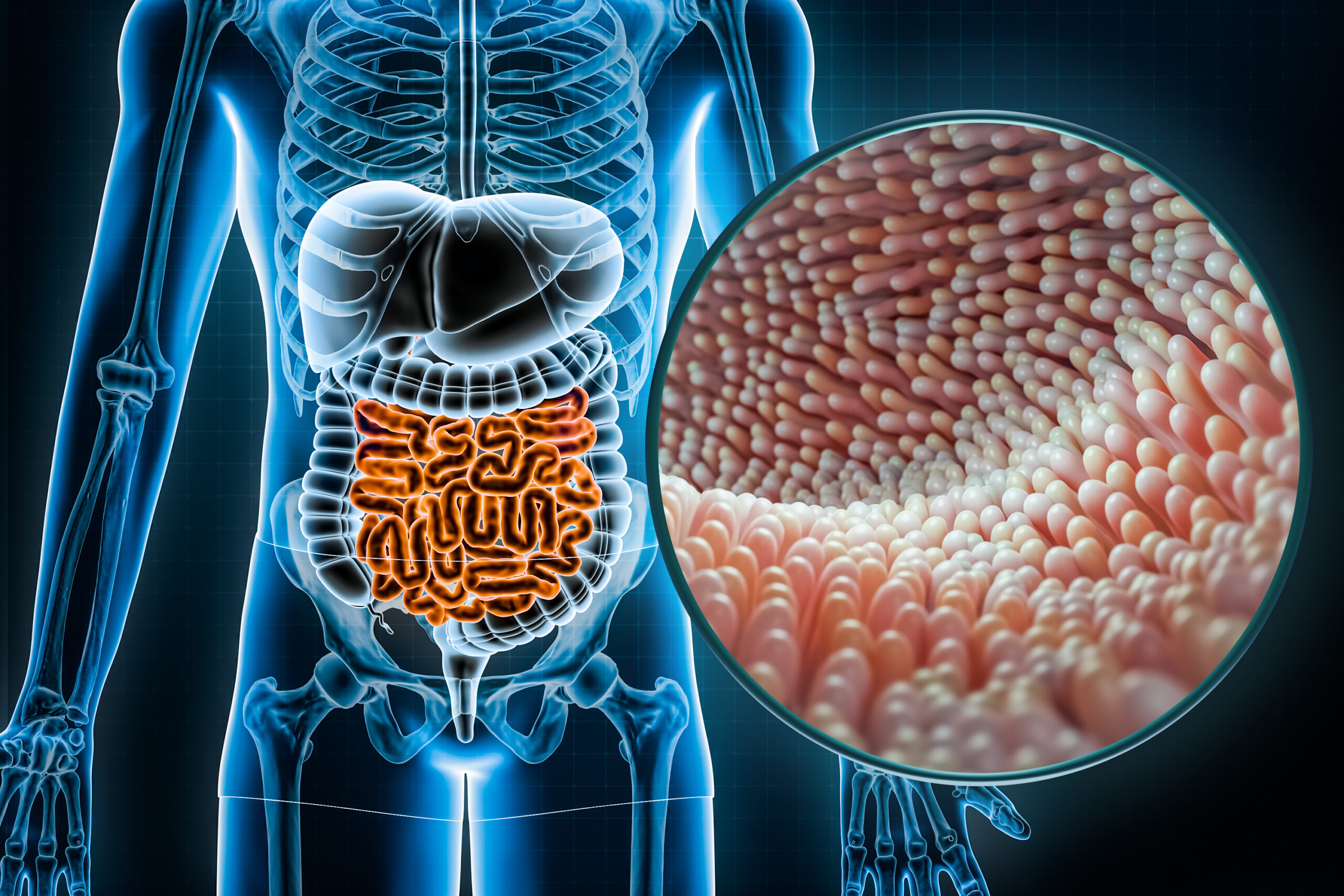
Recently, understanding leaky gut has gained significant attention in the health and wellness community. This condition, known scientifically as increased intestinal permeability, is believed to be a root cause of various chronic health issues. This blog post will explore understanding a leaky gut, its symptoms, potential causes, and effective solutions. By the end, you’ll have a comprehensive understanding of this condition and how to take steps towards better gut health.
What is Leaky Gut?
Leaky gut occurs when the small intestine’s lining becomes damaged, causing undigested food particles, toxins, and bacteria to “leak” through the intestines and enter the bloodstream. This leakage triggers an immune response, leading to inflammation and a host of other health problems. The intestinal lining is naturally permeable to allow for the absorption of nutrients. However, in a healthy gut, this permeability is tightly regulated. When this regulation fails, it can lead to leaky gut syndrome.
Symptoms
The symptoms of leaky gut can be varied and often overlap with other conditions, making it challenging to diagnose. Common symptoms include:
- Digestive issues: Bloating, gas, diarrhea, or irritable bowel syndrome (IBS).
- Food sensitivities: An increase in food allergies or intolerances.
- Chronic fatigue: Feeling tired despite adequate rest.
- Skin problems: Conditions like eczema, acne, or rashes.
- Autoimmune conditions: An overactive immune response leading to diseases like rheumatoid arthritis, lupus, and celiac disease.
- Mood disorders: Anxiety, depression, and other mood-related issues.
- Joint pain: Unexplained joint pain or inflammation.
Causes
Understanding the root causes of leaky gut is crucial for effective treatment and prevention. Several factors can contribute to the development of leaky gut syndrome, including:
- Poor Diet
- Diets high in refined sugars, processed foods, and unhealthy fats can disrupt the gut microbiome and damage the intestinal lining.
- Excessive alcohol consumption and diets low in fiber can also contribute to gut permeability.
- Chronic Stress
- Persistent stress affects the body’s ability to regulate gut function, leading to inflammation and increased permeability.
- Medications
- Long-term use of non-steroidal anti-inflammatory drugs (NSAIDs), antibiotics, and certain medications can harm the gut lining.
- Infections
- Gut infections caused by bacteria, viruses, or parasites can damage the intestinal wall.
- Dysbiosis
- An imbalance in the gut microbiome, where harmful bacteria outnumber beneficial bacteria, can lead to increased gut permeability.
- Environmental Toxins
- Exposure to environmental toxins, such as pesticides, can negatively impact gut health.
Diagnosing Leaky Gut
Diagnosing leaky gut can be challenging, as its symptoms often overlap with other conditions. However, several tests can help identify increased intestinal permeability:
- Zonulin Testing: Zonulin is a protein that regulates intestinal permeability. Elevated levels of zonulin in the blood can indicate a leaky gut.
- Lactulose-Mannitol Test: This test measures the absorption of two non-metabolizable sugars, lactulose and mannitol, to assess intestinal permeability.
- Food Sensitivity Testing: Identifying food sensitivities can help pinpoint underlying gut issues.
Solutions for Leaky Gut
Addressing leaky gut involves a multifaceted approach that includes dietary changes, lifestyle modifications, and targeted supplementation. Here are some effective strategies:
1. Dietary Changes
- Eliminate Trigger Foods: Remove foods that can irritate the gut, such as gluten, dairy, refined sugars, and processed foods.
- Adopt an Anti-Inflammatory Diet: Focus on whole, nutrient-dense foods like fruits, vegetables, lean proteins, and healthy fats. Foods rich in omega-3 fatty acids, such as fish and flaxseed, can help reduce inflammation.
- Incorporate Fermented Foods: Fermented foods like yogurt, kefir, sauerkraut, and kimchi can support a healthy gut microbiome.
- Increase Fiber Intake: Fiber-rich foods like vegetables, fruits, legumes, and whole grains promote healthy digestion and regular bowel movements.
2. Lifestyle Modifications
- Manage Stress: Practice stress-reducing techniques such as meditation, yoga, deep breathing exercises, and regular physical activity.
- Get Adequate Sleep: Aim for 7-9 hours of quality sleep per night to support overall health and gut function.
- Stay Hydrated: Drink plenty of water throughout the day to support digestion and overall health.
- Exercise Regularly: Engage in regular physical activity to promote a healthy gut and overall well-being.
3. Targeted Supplementation
- Probiotics: Probiotics can help restore the balance of beneficial bacteria in the gut. Look for high-quality probiotic supplements with diverse strains.
- L-Glutamine: This amino acid supports the integrity of the intestinal lining and can help repair gut damage.
- Digestive Enzymes: Digestive enzyme supplements can aid in the breakdown and absorption of nutrients, reducing the burden on the gut.
- Omega-3 Fatty Acids: Omega-3 supplements can help reduce inflammation and support gut health.
- Herbal Remedies: Certain herbs, such as slippery elm, marshmallow root, and aloe vera, can soothe and heal the gut lining.
Preventing Leaky Gut
Prevention is always better than cure. To maintain a healthy gut and prevent leaky gut syndrome, consider these tips:
- Maintain a Balanced Diet: Focus on whole, unprocessed foods and avoid excessive consumption of sugars and unhealthy fats.
- Support Gut Health: Regularly consume fermented foods and consider taking probiotic supplements to maintain a healthy gut microbiome.
- Manage Stress: Incorporate stress management techniques into your daily routine to reduce the impact of chronic stress on your gut.
- Be Mindful of Medications: Use medications only as prescribed and discuss potential gut-related side effects with your healthcare provider.
- Stay Active: Engage in regular physical activity to support overall health and gut function.
The Role of the Gut Microbiome
The gut microbiome, consisting of trillions of microorganisms living in the digestive tract, plays a crucial role in maintaining gut health. A balanced microbiome supports digestion, nutrient absorption, and immune function. Dysbiosis, an imbalance in the gut microbiome, is a significant factor in the development of leaky gut.
Understanding Dysbiosis
Dysbiosis occurs when harmful bacteria outnumber beneficial bacteria in the gut. This imbalance can result from poor diet, chronic stress, antibiotic use, and other factors. Dysbiosis can lead to increased gut permeability, inflammation, and a range of health issues.
Supporting a Healthy Microbiome
To support a healthy gut microbiome:
- Eat a Diverse Diet: Consuming a variety of foods, particularly fruits and vegetables, can promote microbial diversity.
- Include Prebiotics: Prebiotics are non-digestible fibers that feed beneficial gut bacteria. Foods like garlic, onions, bananas, and asparagus are rich in prebiotics.
- Consider Probiotics: Probiotics introduce beneficial bacteria to the gut. Foods like yogurt, kefir, and fermented vegetables are excellent sources of probiotics.
- Limit Antibiotic Use: Use antibiotics only when necessary, as they can disrupt the gut microbiome.
Leaky Gut and Autoimmune Diseases
There is a growing body of evidence suggesting a link between leaky gut and autoimmune diseases. Autoimmune diseases occur when the immune system mistakenly attacks the body’s own tissues. Examples include rheumatoid arthritis, lupus, and multiple sclerosis.
The Connection
When the gut becomes permeable, foreign substances like toxins and undigested food particles can enter the bloodstream. The immune system may recognize these substances as threats and launch an attack, leading to chronic inflammation. In susceptible individuals, this immune response can target the body’s own tissues, potentially triggering autoimmune diseases.
Managing Autoimmune Diseases
If you have an autoimmune disease, managing leaky gut can be an essential part of your treatment plan. By healing the gut, you can reduce inflammation and support overall health. Work with a healthcare professional to develop a comprehensive plan that addresses your specific needs.
The Impact of Leaky Gut on Mental Health
The gut-brain connection is a well-established concept in the field of health. The gut and brain communicate through the gut-brain axis, a complex network of neurons, hormones, and other signaling molecules. This connection means that gut health can significantly impact mental health.
Leaky Gut and Mood Disorders
Research suggests that leaky gut may contribute to mood disorders like anxiety and depression. Inflammation caused by increased intestinal permeability can affect brain function and mood. Additionally, an imbalance in the gut microbiome can influence the production of neurotransmitters like serotonin, which play a critical role in regulating mood.
Supporting Mental Health Through Gut Health
Improving gut health can have positive effects on mental health. Strategies include:
- Adopting a Gut-Friendly Diet: A diet rich in whole foods, fiber, and fermented foods can support gut health and, by extension, mental health.
- Managing Stress: Chronic stress can negatively impact both gut and mental health. Techniques like meditation, yoga, and deep breathing exercises can help manage stress.
- Prioritizing Sleep: Quality sleep is essential for both gut and mental health. Aim for 7-9 hours of sleep per night and establish a consistent sleep routine.
Leaky Gut and Skin Health
The gut-skin connection is another important aspect of overall health. Skin conditions like eczema, acne, and psoriasis have been linked to gut health. When the gut is compromised, it can lead to inflammation and other issues that manifest in the skin.
How Leaky Gut Affects the Skin
Leaky gut can lead to systemic inflammation, which may exacerbate skin conditions. Additionally, an imbalanced gut microbiome can influence the skin microbiome, potentially leading to skin issues.
Supporting Skin Health Through Gut Health
Improving gut health can have positive effects on skin health. Strategies include:
- Adopting a Skin-Friendly Diet: Foods rich in antioxidants, vitamins, and healthy fats can support both gut and skin health. Examples include berries, leafy greens, and fatty fish.
- Staying Hydrated: Adequate hydration is essential for healthy skin and overall well-being.
- Avoiding Trigger Foods: Identify and avoid foods that may trigger skin issues, such as dairy, gluten, and refined sugars.
Leaky Gut in Children
Leaky gut can also affect children, leading to various health issues. Symptoms in children may include digestive problems, food sensitivities, skin conditions, and behavioral issues.
Causes in Children
The causes of leaky gut in children are similar to those in adults and may include poor diet, stress, infections, and antibiotic use.
Supporting Gut Health in Children
Supporting gut health in children involves:
- Providing a Balanced Diet: Focus on whole, nutrient-dense foods and limit processed foods and sugars.
- Encouraging a Healthy Lifestyle: Ensure children get regular physical activity and adequate sleep.
- Considering Probiotics: Probiotic supplements or probiotic-rich foods can support a healthy gut microbiome in children.
Working with Healthcare Professionals
If you suspect you have leaky gut or are experiencing persistent health issues, consult with a healthcare professional for personalized guidance and support. A comprehensive approach that includes dietary changes, lifestyle modifications, and targeted supplementation can help heal the gut and prevent future issues.
Conclusion
Leaky gut is a condition that can have far-reaching effects on overall health. By understanding its symptoms, causes, and effective solutions, you can take proactive steps towards improving your gut health. A holistic approach that includes dietary changes, lifestyle modifications, and targeted supplementation can help heal the gut and prevent future issues. Remember, a healthy gut is the foundation of overall well-being.
If you suspect you have a leaky gut or are experiencing persistent health issues, consult with a healthcare professional for personalized guidance and support. By prioritizing your gut health, you can enhance your quality of life and achieve optimal wellness.
Speaking of gut health, you might be interested in exploring the intricacies of the gut microbiome, which plays a vital role in digestion and overall well-being. Additionally, learning about intestinal permeability can provide further insight into conditions like leaky gut. Lastly, understanding dysbiosis may help you grasp how imbalances in gut bacteria can affect your health. These resources can deepen your knowledge as you take steps towards better gut health!