Essential Oils Guide: Nature’s Potent Powers 5 min read

Blog
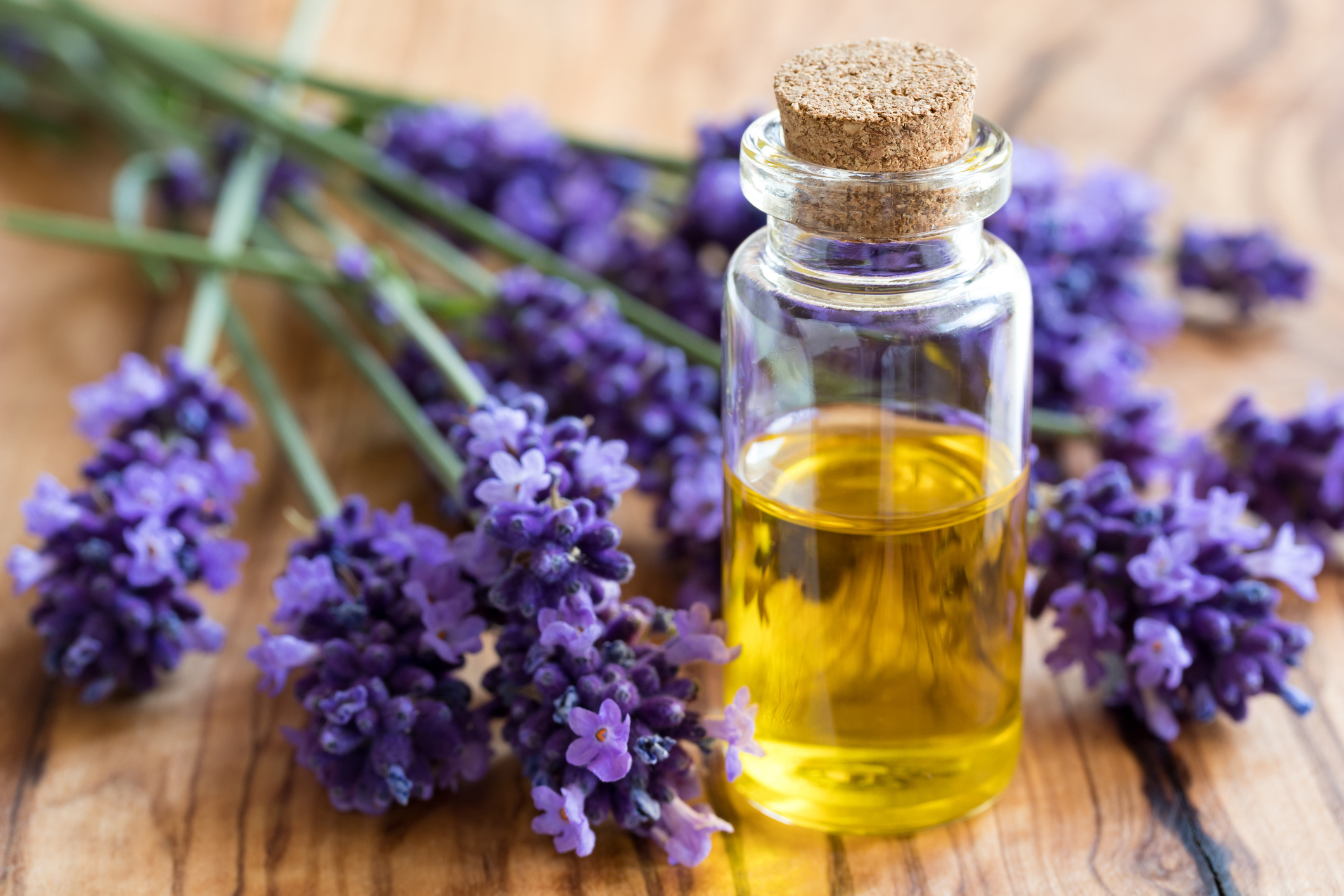
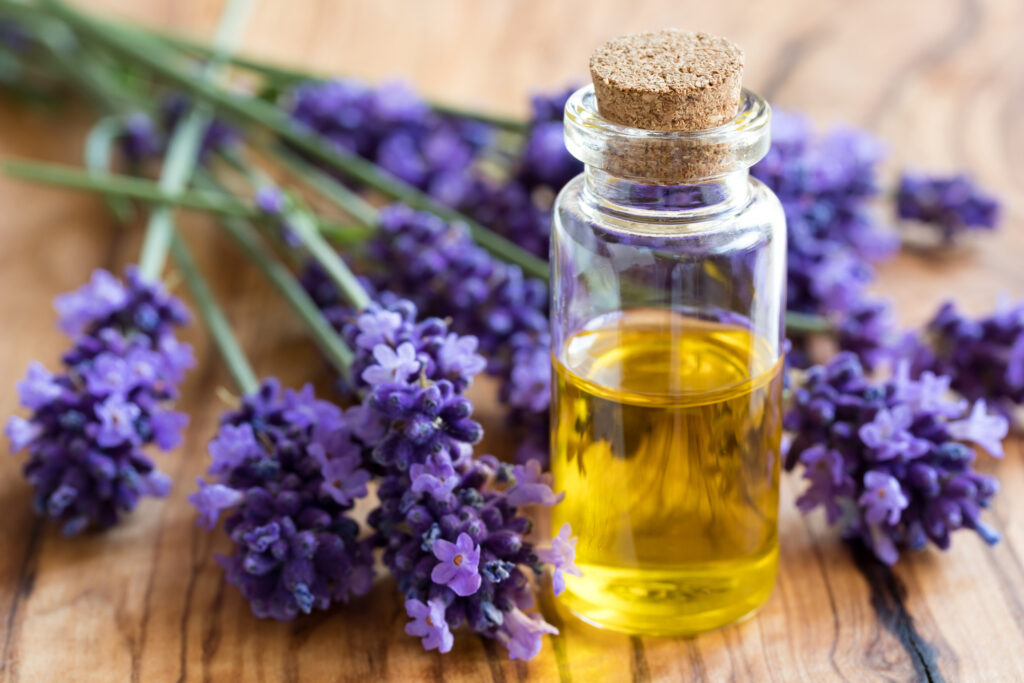
Essential oils have been a cornerstone of natural healing practices for centuries. From ancient civilizations to modern wellness routines, these concentrated plant extracts have found their place in homes, spas, and healthcare practices worldwide. This essential oils guide will explore the multifaceted world of essential oils, their beneficial uses, and tips for incorporating them into your daily life. Let’s dive into this aromatic journey!
What Are Essential Oils?
Essential oils are highly concentrated plant extracts obtained through methods such as steam distillation or cold pressing. These oils capture the plant’s scent and beneficial properties, offering a natural and potent solution for various health and wellness needs.
The History of Essential Oils
The use of essential oils dates back to ancient civilizations. The Egyptians, for instance, utilized oils like myrrh and frankincense in religious rituals and for medicinal purposes. Similarly, traditional Chinese and Indian Ayurvedic medicine have long employed essential oils for their therapeutic benefits. Today, essential oils are a crucial component of holistic health practices.

Consider printing this essential oils guide for future reference!
Benefits of Nature’s Oils
1. Aromatherapy
Aromatherapy is one of the most popular uses of essential oils. Inhalation of essential oils can stimulate the olfactory system and, in turn, influence the brain’s limbic system, which is responsible for emotions, behavior, and memory. Oils such as lavender, chamomile, and rose are known for their calming effects, helping to reduce stress and anxiety.
2. Skin Care
Essential oils like tea tree, lavender, and frankincense are frequently used in skincare products due to their antimicrobial and anti-inflammatory properties. They can help with acne, reduce scars, and promote overall skin health.
3. Pain Relief
Many essential oils possess analgesic properties that can help alleviate pain. For instance, peppermint and eucalyptus oils are commonly used to relieve headaches, muscle pain, and joint discomfort.
4. Immune Support
Certain essential oils, such as oregano, eucalyptus, and lemon, have antimicrobial properties that can boost the immune system. These oils can help fight off infections and support overall health.
How to Use Essential Oils
1. Diffusion
Using a diffuser is one of the most effective ways to enjoy the benefits of essential oils. A diffuser disperses the oil into the air, allowing you to inhale the therapeutic aroma. This method is particularly beneficial for enhancing mood, purifying the air, and promoting relaxation.
2. Topical Application
Essential oils can be applied directly to the skin, but it’s crucial to dilute them with a carrier oil, such as coconut, jojoba, or almond oil, to prevent skin irritation. Popular application points include the wrists, temples, and the soles of the feet.
3. Baths
Adding a few drops of essential oil to your bath can create a spa-like experience at home. Oils like lavender, eucalyptus, and chamomile can help relax the muscles and soothe the mind.
4. Inhalation
Direct inhalation of essential oils can provide immediate benefits. You can add a few drops to a tissue or inhale from the bottle for a quick pick-me-up.
Safety Tips
While essential oils offer numerous benefits, it’s important to use them safely:
- Dilute Properly: Always dilute essential oils with a carrier oil before applying them to the skin.
- Patch Test: Conduct a patch test to check for any allergic reactions.
- Avoid Ingesting: Do not ingest essential oils unless under the guidance of a qualified healthcare professional.
- Keep Away from Eyes and Mucous Membranes: Essential oils should not come into contact with sensitive areas like the eyes.
- Store Properly: Keep essential oils in a cool, dark place to maintain potency.
Popular Essential Oils and Their Uses
1. Lavender Oil
- Benefits: Calming, sleep aid, skin healing
- Uses: Diffusion for relaxation, added to bathwater, diluted for skin application
2. Peppermint Oil
- Benefits: Energizing, headache relief, digestive aid
- Uses: Inhaled for energy boost, diluted and applied to temples for headache relief, added to water for digestive support
3. Eucalyptus Oil
- Benefits: Respiratory support, antimicrobial
- Uses: Diffused during cold and flu season, added to a carrier oil and applied to the chest
4. Tea Tree Oil
- Benefits: Antimicrobial, antifungal, acne treatment
- Uses: Added to skincare products, diluted and applied to cuts or insect bites
5. Lemon Oil
- Benefits: Energizing, detoxifying, cleaning
- Uses: Diffused for an energy boost, added to cleaning products for a fresh scent, diluted and applied for skin brightening
DIY Recipes
1. Relaxing Sleep Spray
- Ingredients: 10 drops lavender oil, 5 drops chamomile oil, 1/2 cup distilled water
- Instructions: Combine oils and water in a spray bottle, shake well, and spray on your pillow before bed.
2. Energizing Diffuser Blend
- Ingredients: 5 drops peppermint oil, 5 drops lemon oil, 3 drops rosemary oil
- Instructions: Add the oils to your diffuser with water and enjoy an invigorating aroma.
3. Acne-Fighting Face Serum
- Ingredients: 3 drops tea tree oil, 3 drops lavender oil, 1 tablespoon jojoba oil
- Instructions: Mix the oils in a small bottle, shake well, and apply a small amount to your face after cleansing.
Example Guide to Incorporating Essential Oils into Your Daily Routine
Essential oils can be easily integrated into your daily routine to enhance your overall well-being. Here are a few tips:
- Morning Routine: Start your day with an energizing diffuser blend to boost your mood and focus.
- Skincare: Add a drop of your favorite essential oil to your moisturizer for added skin benefits.
- Work Environment: Use a diffuser at your desk to maintain focus and reduce stress.
- Evening Routine: Wind down with a relaxing bath or a pillow spray to promote restful sleep.
Choosing Quality Oils
When purchasing essential oils, it’s important to choose high-quality products to ensure their efficacy and safety. Here are a few tips for selecting the best essential oils:
- Purity: Look for oils that are 100% pure and free from additives or synthetic ingredients.
- Sourcing: Research the company’s sourcing practices. High-quality oils are often sourced from regions where the plants naturally thrive.
- Testing: Reputable companies often conduct third-party testing to verify the purity and potency of their oils. Look for oils that come with a Certificate of Analysis (COA).
- Reputation: Choose brands with positive reviews and a good reputation in the essential oil community.
Conclusion
Essential oils offer a natural and effective way to enhance health and well-being. These powerful plant extracts have many benefits, from promoting relaxation and skin health to providing pain relief and immune support. By understanding how to use essential oils safely and effectively using this guide, you can harness the power of nature in your everyday life.
Whether you’re a seasoned essential oil enthusiast or a newcomer to this aromatic world, incorporating these oils into your daily routine can lead to a more balanced and holistic approach to health. Remember to choose high-quality oils, follow safety guidelines, and enjoy the journey of discovering the many wonders of essential oils.
You might be interested in exploring more about the fascinating world of essential oils and their benefits. Speaking of natural healing, you may want to check out Aromatherapy, which delves into the therapeutic use of essential oils for enhancing physical and emotional well-being. Additionally, if you’re curious about the science behind these potent plant extracts, you can learn about Essential Oils themselves, including their extraction methods and properties. For a deeper understanding of the benefits associated with specific oils, consider reading about the Herbal Medicine practices that highlight how these extracts have been used throughout history. Discovering these related topics can further enrich your journey into the wonderful realm of essential oils!