The Power of Meditation and Mindfulness 5 min read

Blog
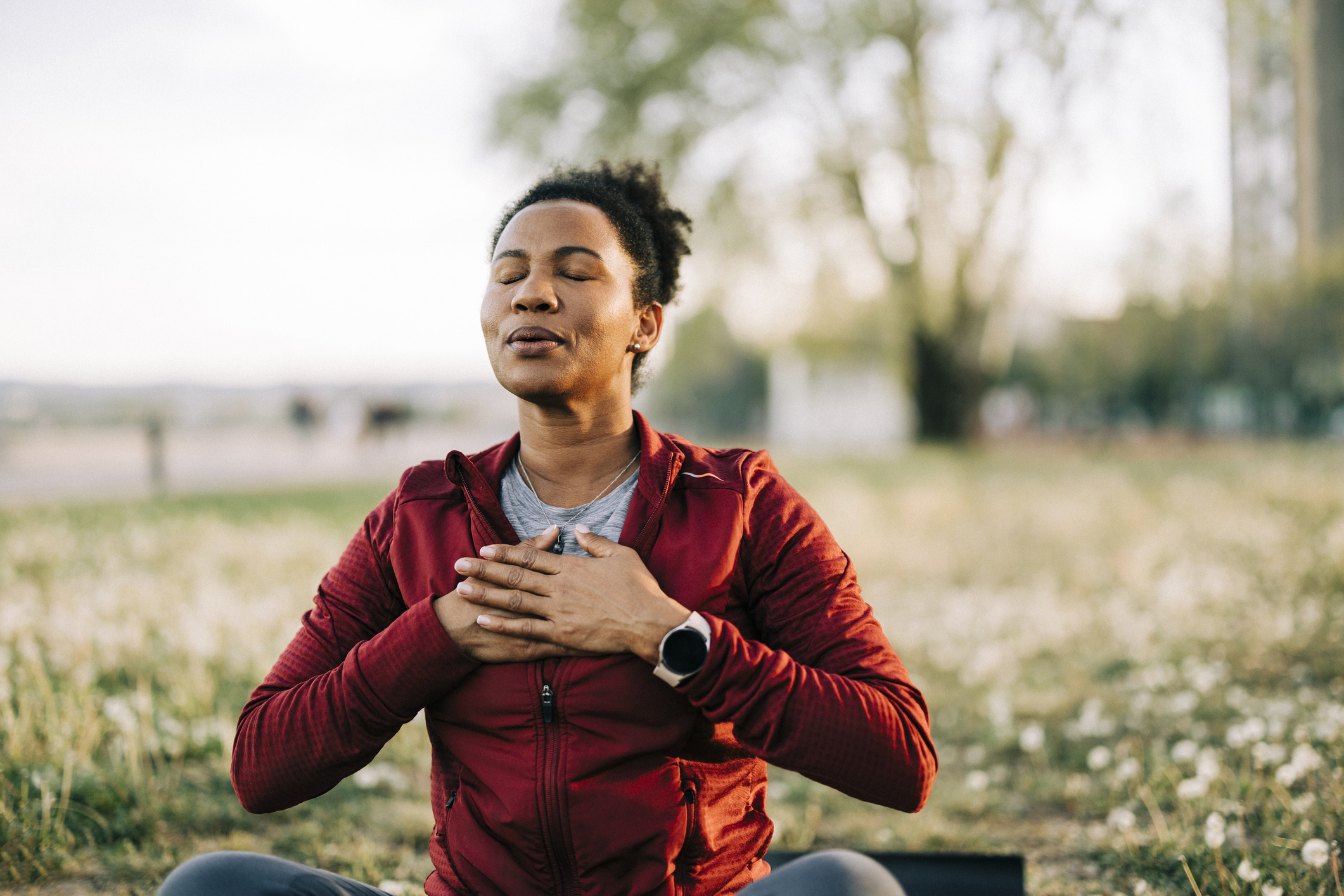
In today’s fast-paced world, stress and anxiety have become all too common. Many are seeking ways to find peace and balance amidst the chaos. Enter meditation and mindfulness—two powerful practices that have been gaining popularity for their profound impact on mental and physical well-being. This comprehensive guide delves into the essence of meditation and mindfulness, their benefits, and practical tips to incorporate them into your daily life.
What is Meditation?
Meditation is an ancient practice that involves focusing the mind to achieve a state of relaxation, clarity, and emotional calm. It has been practiced for thousands of years across various cultures and religions, each with its unique methods and philosophies. The core of meditation, however, remains consistent: it is about training the mind to achieve a heightened state of awareness and concentration.
Mindfulness, a form of meditation, involves paying attention to the present moment without judgment. It is about being fully engaged in the here and now, observing your thoughts, feelings, and sensations as they arise. Mindfulness can be practiced through meditation, but it can also be integrated into daily activities like eating, walking, or even washing dishes.
The Benefits of Meditation and Mindfulness
The benefits of meditation and mindfulness are well-documented and supported by scientific research. Here are some of the most notable advantages:
- Reduces Stress and Anxiety: Regular meditation helps reduce the levels of cortisol, the stress hormone, leading to a calmer and more relaxed state of mind.
- Improves Focus and Concentration: Mindfulness meditation enhances attention span and improves the ability to concentrate on tasks.
- Enhances Emotional Health: Meditation promotes emotional stability, reducing symptoms of depression and anxiety.
- Boosts Immune System: Regular practice can strengthen the immune system, helping the body fight off illnesses.
- Promotes Better Sleep: Meditation helps calm the mind, making it easier to fall asleep and stay asleep.
- Improves Self-Awareness: Mindfulness encourages introspection and self-discovery, fostering a deeper understanding of oneself.
How to Get Started with Meditation
Starting a meditation practice can seem daunting, but it doesn’t have to be. Here are some simple steps to help you begin:
- Find a Quiet Space: Choose a peaceful environment where you won’t be disturbed.
- Sit Comfortably: Sit in a comfortable position with your back straight. You can sit on a chair, a cushion, or the floor.
- Set a Time Limit: Start with a short duration, like 5-10 minutes, and gradually increase as you become more comfortable.
- Focus on Your Breath: Pay attention to your breathing. Notice the sensation of the breath as it enters and leaves your nostrils.
- Observe Your Thoughts: When your mind wanders, gently bring your focus back to your breath. Don’t judge or get frustrated—it’s a natural part of the process.
- Practice Regularly: Consistency is key. Aim to meditate at the same time each day to build a habit.
Different Types of Meditation
There are various forms of meditation, each with its unique approach and benefits. Here are some popular types:
- Mindfulness Meditation: Involves focusing on your breath and observing thoughts and feelings without judgment.
- Loving-Kindness Meditation: Focuses on developing feelings of compassion and love towards oneself and others.
- Body Scan Meditation: Involves paying attention to different parts of the body, promoting relaxation and awareness.
- Transcendental Meditation: Involves silently repeating a mantra to achieve a state of deep relaxation.
- Zen Meditation: Rooted in Buddhist tradition, it involves observing the breath and the thoughts that arise in the mind.
How to Incorporate Mindfulness into Daily Life
Mindfulness is not limited to meditation; it can be practiced throughout your daily activities. Here are some tips to bring mindfulness into your everyday life:
- Mindful Eating: Pay attention to the taste, texture, and smell of your food. Eat slowly and savor each bite.
- Mindful Walking: Notice the sensation of your feet touching the ground and the rhythm of your steps. Observe the sights, sounds, and smells around you.
- Mindful Breathing: Take a few moments throughout the day to focus on your breath. This can be especially helpful during stressful situations.
- Mindful Listening: When conversing with someone, give them your full attention. Listen without planning your response.
- Mindful Cleaning: Engage fully in the task of cleaning, noticing the movements of your hands and the sensations of touch.
Common Challenges and How to Overcome Them
Starting a meditation and mindfulness practice can come with its challenges. Here are some common obstacles and tips to overcome them:
- Restless Mind: It’s natural for the mind to wander. Gently bring your focus back to your breath without judgment.
- Physical Discomfort: Find a comfortable position that you can maintain without strain. You can also try lying down or using props for support.
- Time Constraints: Even a few minutes of meditation can be beneficial. Schedule it into your day like any other important activity.
- Lack of Motivation: Remind yourself of the benefits and set realistic goals. Joining a meditation group or using a guided meditation app can also help.
Resources to Deepen Your Practice
To support your meditation and mindfulness journey, here are some valuable resources:
- Books:
- “The Miracle of Mindfulness” by Thich Nhat Hanh
- “Wherever You Go, There You Are” by Jon Kabat-Zinn
- “The Power of Now” by Eckhart Tolle
- Apps:
- Headspace
- Calm
- Insight Timer
- Online Courses:
- Mindfulness-Based Stress Reduction (MBSR) by Jon Kabat-Zinn
- Search Inside Yourself (SIY) by Google
- The Science of Well-Being by Yale University (available on Coursera)
- Local Groups and Classes: Many communities offer meditation and mindfulness classes. Check your local community center, yoga studio, or wellness center.
The Science Behind Meditation and Mindfulness
Research has shown that meditation and mindfulness can lead to significant changes in the brain. Studies using MRI and EEG scans have revealed that regular practice can increase gray matter density in areas associated with learning, memory, and emotional regulation. Additionally, meditation can decrease activity in the default mode network (DMN), the brain network responsible for mind-wandering and self-referential thoughts, which are often linked to anxiety and depression.
Success Stories
Many people from various walks of life have shared how meditation and mindfulness have transformed their lives. Here are a few inspiring stories:
- Oprah Winfrey: The media mogul credits meditation for helping her maintain balance and clarity in her busy life. She practices Transcendental Meditation daily.
- LeBron James: The NBA superstar uses meditation to enhance his performance, reduce stress, and improve focus.
- Arianna Huffington: The founder of The Huffington Post practices mindfulness to manage stress and improve her overall well-being.
- Emma Watson: The actress and activist incorporates mindfulness into her daily routine to stay grounded and present.
Conclusion
Meditation and mindfulness are powerful tools for enhancing mental and physical well-being. They offer a pathway to a calmer, more focused, and emotionally balanced life. Whether you’re looking to reduce stress, improve concentration, or deepen your self-awareness, incorporating these practices into your daily routine can bring profound benefits. Start small, be patient with yourself, and enjoy the journey to a more mindful and meditative life.
You might be interested in exploring the rich history and benefits of these practices further. Speaking of meditation, you can learn more about its origins and various techniques in this detailed Wikipedia article on Meditation. If mindfulness piques your interest, check out this insightful Wikipedia entry on Mindfulness to discover how it can enhance your daily life. For those curious about the scientific research behind these practices, the Effects of Meditation article provides a comprehensive overview of its impact on mental and physical health. Each of these resources can deepen your understanding and inspire you to integrate meditation and mindfulness into your life.